
Is This World Coming to an End?
From generation to generation, mankind has asked important questions about the future. Why is there so much suffering in the world? Why do wars, violence, hatred, sickness, and death continue? What is the purpose of human life, and what will happen when this present world comes to its end?
The Bible speaks directly about these questions. It reveals that the present world, as we know it, will not continue forever. Human civilization is temporary, earthly treasures are passing away, and every person will ultimately stand before God.
Yet the message of the Bible is not simply one of destruction and judgment. It is also a message of hope, redemption, resurrection, eternal life, and the promise of a new heaven and a new earth.
Jesus Christ warned His disciples about the signs of the last days, the coming of false prophets, wars, famines, earthquakes, persecution, and the preaching of the gospel throughout the world. He also taught them to watch, pray, remain faithful, and be ready for His return.
The most important question, therefore, is not merely, “When will the world end?” It is this:
Are we spiritually prepared to meet our Creator and spend eternity with Him?
In this Bible study, we will explore what Scripture teaches about the present world, the signs of the end times, the second coming of Jesus Christ, the final judgment, and what mankind should be prepared for beyond this earthly life.
“Heaven and earth shall pass away, but my words shall not pass away.” — Matthew 24:35
1. The Present World Is Temporary
The Bible teaches that this present world is not mankind’s permanent home. God created the heavens and the earth, and He remains sovereign over His creation. Human achievements, wealth, power, and worldly glory cannot provide eternal security.
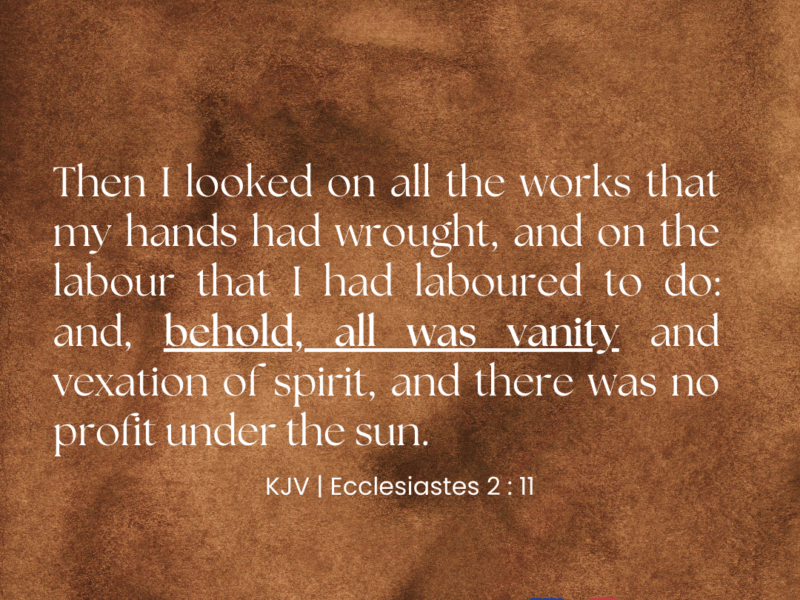
Many people spend their entire lives pursuing money, possessions, recognition, pleasure, and success. Although these things may have temporary value, they cannot save a soul or guarantee eternal life.
Jesus asked a profound question:
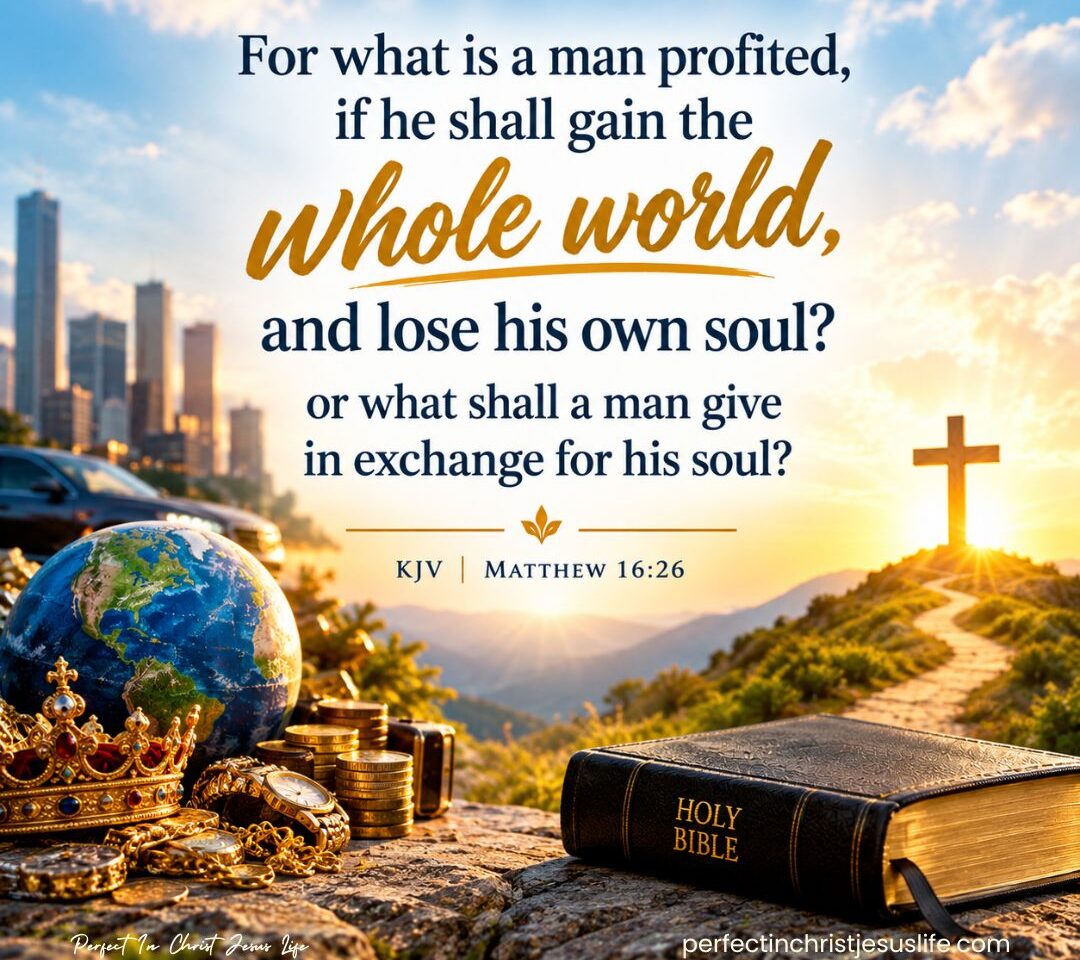
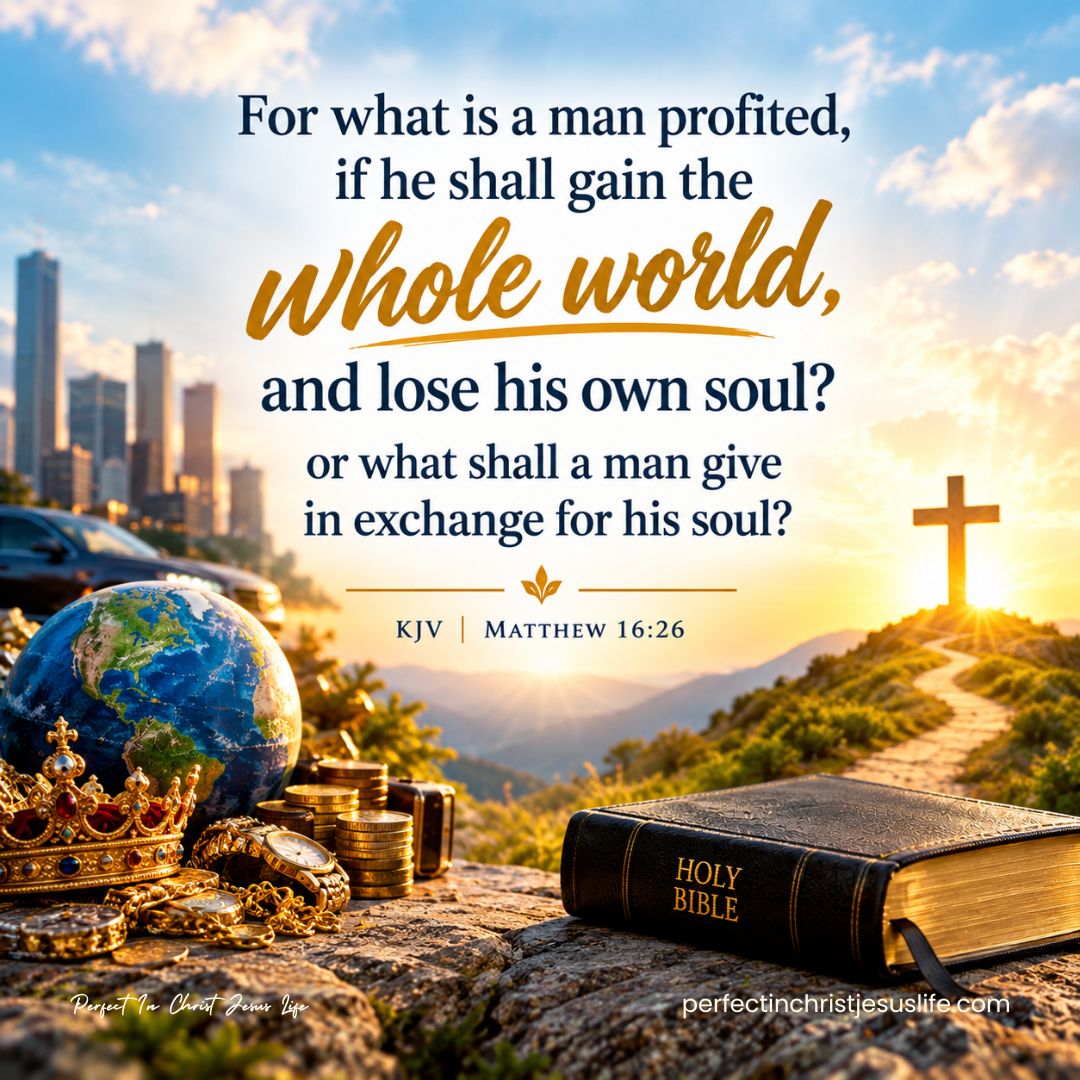
“For what is a man profited, if he shall gain the whole world, and lose his own soul?” — Matthew 16:26
This question challenges every generation. What benefit is there in gaining everything the world offers if we neglect our relationship with God?
The Bible calls us to look beyond temporary things and seek what has eternal value.
Bible references:
- Psalm 90:2 — God is everlasting.
- Isaiah 40:8 — The word of God stands for ever.
- Matthew 6:19–21 — Lay up treasures in heaven.
- 1 John 2:15–17 — The world and its lusts pass away, but the one who does God’s will abides for ever.
- 2 Corinthians 4:18 — The things which are seen are temporal, but the things which are not seen are eternal.
Spiritual lesson: Do not build your entire life around things that cannot last. Seek God, walk in His truth, love your neighbour, and invest in what has eternal significance.
2. What Did Jesus Say About the End of the World?
In Matthew 24, Mark 13, and Luke 21, Jesus spoke about events associated with the end times. His disciples asked Him about the signs of His coming and the end of the world.
Jesus mentioned several developments, including wars, famines, pestilences, earthquakes, false prophets, persecution, and increasing lawlessness.
However, He began with an important warning:
“Take heed that no man deceive you.” — Matthew 24:4
This warning remains essential when studying biblical prophecy. Not every world crisis proves that the end has arrived, and not every person claiming to know the future speaks the truth.
Jesus described certain events as the beginning of sorrows in Matthew 24:8. He also declared that the gospel of the kingdom would be preached throughout the world for a witness unto all nations before the end would come (Matthew 24:14).
Christians should therefore study these passages carefully, without fear, sensationalism, or unsupported predictions.
Biblical signs associated with the last days
Wars and rumours of wars: Matthew 24:6–7 records Jesus’ warning about conflicts among nations and kingdoms. He also told His disciples not to be troubled, for these things must come to pass, but the end was not yet.
Famines, pestilences, and earthquakes: Matthew 24:7 mentions these events among the signs Jesus described. Such suffering should move mankind toward compassion, prayer, and dependence upon God rather than speculation alone.
False prophets and deception: Matthew 24:11 warns that false prophets would arise and deceive many. Believers must examine teachings in the light of Scripture.
Increasing lawlessness and declining love: Matthew 24:12 warns that iniquity would abound and the love of many would wax cold. The Christian response is to continue in faith, holiness, forgiveness, and love.
The preaching of the gospel: Matthew 24:14 emphasizes the proclamation of the gospel of the kingdom among all nations. The Church has a responsibility to share the message of salvation through Jesus Christ.
Perilous times: 2 Timothy 3:1–5 describes difficult times marked by pride, greed, disobedience, ingratitude, and a form of godliness without its power.
These passages call believers to spiritual discernment. They are not permission to label every headline as a fulfilled prophecy.
3. Bible Prophecy Table: End-Times Events and Their Scripture References
The following table provides a study guide to important passages concerning the last days, Christ’s return, judgment, and eternity. Some passages describe present spiritual realities, some describe events associated with the end, and others reveal the final hope of God’s people.
| Biblical subject | Scripture reference (KJV) | Main teaching |
|---|---|---|
| The last days | 2 Timothy 3:1–5 | Difficult times and moral corruption |
| False Christs and deception | Matthew 24:4–5, 11, 24 | The need for spiritual discernment |
| Wars and rumours of wars | Matthew 24:6–7 | Conflicts and upheavals |
| Famines and earthquakes | Matthew 24:7–8 | Suffering among the signs Jesus described |
| Persecution of believers | Matthew 24:9–10 | Faithfulness amid opposition |
| The gospel preached to all nations | Matthew 24:14 | Worldwide witness to the kingdom |
| The abomination of desolation | Matthew 24:15–22; Daniel 9:27 | A prophetic warning requiring careful interpretation |
| The coming of the Son of man | Matthew 24:27–31 | Christ’s coming in power and glory |
| The unknown day and hour | Matthew 24:36 | No one knows the day or hour |
| The need to watch | Matthew 24:42–44 | Be ready for the Lord’s coming |
| The Lord’s return | 1 Thessalonians 4:16–17 | The Lord descends; the dead in Christ rise |
| The resurrection of the dead | 1 Corinthians 15:51–54 | The dead are raised and believers are changed |
| The day of the Lord | 1 Thessalonians 5:1–6 | The call to watchfulness and sobriety |
| The day of judgment | 2 Peter 3:7–13 | Judgment and the promise of new heavens and a new earth |
| The great white throne | Revelation 20:11–15 | Judgment according to the works recorded in the books |
| The new heaven and new earth | Revelation 21:1–5 | God makes all things new |
| The new Jerusalem | Revelation 21:9–27 | The holy city and the glory of God |
| The river of life | Revelation 22:1–5 | The blessings of God’s eternal kingdom |
| The final invitation | Revelation 22:17 | Whosoever will may take the water of life freely |
Important note about prophecy: Christians differ on the interpretation and sequence of some end-times passages, including the tribulation, the millennium, and certain events in Revelation. The table presents key biblical references rather than claiming that every passage follows one universally agreed prophetic timetable.
4. Will Anyone Know the Exact Date of the End?
Throughout history, people have attempted to predict the exact date of Christ’s return. Scripture, however, gives a clear warning against claiming certainty where God has not revealed the answer.
Jesus said:
“But of that day and hour knoweth no man, no, not the angels of heaven, but my Father only.” — Matthew 24:36
This teaching should shape the way believers approach prophecy. Rather than attempting to calculate a date, Christians are called to live in readiness every day.
In Acts 1:7, Jesus told His disciples that it was not for them to know the times or the seasons that the Father had placed in His own power.
The purpose of biblical prophecy is not to encourage endless speculation. It is to strengthen faith, warn against deception, encourage holy living, and remind mankind that God’s purposes will ultimately prevail.
The lesson is simple: We do not need to know the date of the end to be ready for the Lord.
5. The Second Coming of Jesus Christ
The return of Jesus Christ is one of the central hopes of the Christian faith. The New Testament teaches that Jesus, who died for our sins and rose again, will return.
Acts 1:11 records the angels telling the disciples that Jesus would come in like manner as they had seen Him go into heaven.
Jesus also promised:
“And, if I go and prepare a place for you, I will come again, and receive you unto myself; that where I am, there ye may be also.” — John 14:3
For believers, this promise is a source of comfort and expectation. The Lord’s return means that evil, suffering, and death will not have the final word.
First Thessalonians 4:16–17 describes the Lord descending from heaven, the dead in Christ rising first, and living believers being caught up together with them to meet the Lord in the air.
First Corinthians 15:51–54 also teaches that the dead will be raised incorruptible and that believers will be changed.
These passages direct Christian hope toward Christ Himself, not toward fear of world events.
How should Christians live while waiting?
- Remain faithful to the teachings of Jesus Christ.
- Share the gospel with humility and love.
- Help those who are suffering and in need.
- Resist false teaching and spiritual deception.
- Forgive others and pursue peace.
- Continue in prayer and the study of God’s Word.
- Live with the expectation of meeting the Lord.
The return of Christ should inspire faithfulness, not panic.
6. What Will Happen at the End of the Present World?
The Bible describes the end of the present order in powerful prophetic language. Second Peter 3:10–13 speaks of the day of the Lord, the passing away of the heavens, and the promise of new heavens and a new earth wherein dwelleth righteousness.
Revelation 20–22 presents a sequence of visions involving Satan’s final defeat, the great white throne judgment, the new heaven and new earth, and the holy city, new Jerusalem.
These chapters are among the most important passages for understanding the biblical vision of the end.
The judgment of God
Revelation 20:11–15 describes the great white throne and the dead standing before God. The books are opened, and the dead are judged according to their works.
This passage reminds mankind that human life carries moral and spiritual responsibility. God sees what people do, and earthly power cannot place anyone beyond His judgment.
Romans 14:12 declares:
“So then every one of us shall give account of himself to God.”
The Bible also teaches that salvation is by God’s grace through faith, not a reward earned by human works (Ephesians 2:8–9). Good works are the fruit of a living faith, not a substitute for God’s saving grace.
The final defeat of evil
Revelation 20 describes the final judgment of Satan and the defeat of evil. The Bible’s ultimate message is that wickedness will not reign forever.
For those who trust in Christ, this is a reason for steadfast hope. The suffering of the present age is real, but it does not overturn God’s final purpose for His creation.
The new heaven and the new earth
Revelation 21:1–5 presents a glorious vision of the new heaven and new earth.
John sees the holy city, new Jerusalem, coming down from God out of heaven. He hears a great voice declaring that the tabernacle of God is with men.
The passage contains one of Scripture’s most beautiful promises:
“And God shall wipe away all tears from their eyes; and there shall be no more death, neither sorrow, nor crying, neither shall there be any more pain: for the former things are passed away.” — Revelation 21:4
This is the Christian hope: not merely escape from a troubled world, but the fulfilment of God’s promise to dwell with His people and make all things new.
7. What Should Mankind Be Prepared for After the End of the World?
The Bible directs mankind to consider eternity seriously. Our earthly lives are temporary, but Scripture teaches that our relationship with God has eternal significance.
The answer to what comes after this world is not simply that everyone enters the same destination. The Bible speaks of resurrection, judgment, eternal life, and the consequences of rejecting God. It also offers the gracious invitation of salvation through Jesus Christ.
1. Be prepared to meet God
Hebrews 9:27 states:
“And as it is appointed unto men once to die, but after this the judgment.”
This verse reminds us that earthly life is not endless and that we should not postpone turning to God.
Preparation begins now. It means examining our hearts, acknowledging our sins, seeking God’s mercy, and choosing to follow His truth.
2. Understand the reality of judgment
Revelation 20:11–15 presents the great white throne judgment. It is a solemn warning that mankind is accountable to God.
No amount of wealth, fame, education, or earthly influence can replace the need for reconciliation with our Creator.
The Bible calls people to repent and turn to God while they have the opportunity.
Acts 17:30 teaches that God commands all people everywhere to repent.
3. Receive the gift of salvation through Jesus Christ
The central message of the gospel is that God has provided salvation through His Son.
John 3:16 declares:
“For God so loved the world, that he gave his only begotten Son, that whosoever believeth in him should not perish, but have everlasting life.”
Romans 10:9–13 teaches the importance of believing in the risen Lord Jesus and calling upon His name.
Salvation is not earned by accumulating good deeds or religious achievements. It is received by God’s grace through faith in Jesus Christ, resulting in a transformed life.
To prepare for eternity, mankind must take the message of the cross and resurrection seriously and respond to Christ in faith and repentance.
4. Look forward to the resurrection and eternal life
The Christian hope is not founded on human immortality or earthly success. It rests on the resurrection of Jesus Christ.
In John 11:25, Jesus said:
“I am the resurrection, and the life: he that believeth in me, though he were dead, yet shall he live.”
First Corinthians 15 explains the resurrection of the dead and the victory God gives through Jesus Christ.
For Christians, death is not the final defeat. Their hope is that God will raise His people and bring them into the fullness of His promised kingdom.
5. Be ready for God’s eternal kingdom
Revelation 21–22 describes the blessings of the new creation: God’s presence, the river of life, the tree of life, and the end of the curse.
Revelation 22:3 declares that there shall be no more curse, and God’s servants shall serve Him.
The Bible’s vision of eternity is centred on God. It is a life of fellowship with Him, righteousness, worship, and the fulfilment of His promises.
6. Do not neglect the needs of others
Preparation for eternity does not mean abandoning responsibilities in the present world.
Jesus taught His followers to love their neighbours, care for the needy, forgive those who wrong them, and practise righteousness.
Matthew 25:31–46 emphasizes the seriousness of how people respond to those in need. James 2:14–17 teaches that faith without works is dead.
Christians should therefore continue to serve others, care for their families, share the gospel, and demonstrate the love of Christ.
The best preparation for eternity begins with faith in Christ and is reflected in a life of love, obedience, mercy, and faithfulness.
8. Heaven, Hell, and the Eternal Destiny of Mankind
The Bible speaks seriously about both the promise of eternal life and the warning of final judgment.
Jesus spoke of eternal life in Matthew 25:46. Revelation 20:14–15 describes the lake of fire and the second death, while Revelation 21:1–8 contrasts the new creation with the final judgment of those who remain outside God’s saving purposes.
These passages should not be treated lightly. They remind mankind that choices concerning God are eternally significant.
Christian traditions differ on certain details of how some judgment passages should be interpreted, but the call to repentance, faith, holiness, and readiness is clear throughout the New Testament.
What must a person do to be saved?
The Bible points us to Jesus Christ.
- Recognize your need for God’s mercy: Romans 3:23 teaches that all have sinned and come short of the glory of God.
- Believe in Jesus Christ: John 3:16 promises everlasting life to those who believe in Him.
- Repent and turn to God: Acts 3:19 calls people to repent and be converted.
- Confess Jesus as Lord and believe in His resurrection: Romans 10:9–13.
- Walk in a new life: Romans 6:4 and Ephesians 2:10 teach that the Christian life should reflect the new life God gives.
No person should assume that a religious label, church attendance, or knowledge of prophecy automatically guarantees salvation. The Bible calls for a genuine response to Jesus Christ.
9. How Should We Live in These Last Days?
End-times teaching is meant to influence our daily lives. If we believe that our time on earth is limited and that we will stand before God, our priorities should change.
Put God first
Matthew 6:33 teaches us to seek first the kingdom of God and His righteousness.
Do not allow worldly ambitions to become more important than knowing God.
Stay alert to deception
First John 4:1 instructs believers to test the spirits. Compare teachings with Scripture rather than following every preacher, sensational prophecy, or claim.
Continue in love
Matthew 24:12 warns that the love of many will grow cold. In a troubled world, Christians should show compassion, forgive others, and remain faithful to Christ’s commandment to love.
Share the gospel
Mark 16:15 records the command to preach the gospel to every creature. Christians should share the message of salvation with humility, truth, and respect for others.
Live in holiness
Second Peter 3:11–14 connects the expectation of the day of the Lord with holy conduct and godliness. Belief in Christ’s return should encourage integrity, purity, and faithful service.
Do not live in fear
Second Timothy 1:7 reminds believers that God has not given us the spirit of fear, but of power, love, and a sound mind.
The world may experience uncertainty, but the Christian’s hope rests in the faithfulness of God.
10. A Practical End-Times Bible Study Plan
Use the following reading plan to explore these teachings directly from Scripture.
| Day | Bible reading | Study question |
|---|---|---|
| Day 1 | Matthew 24 | What did Jesus teach about the end and spiritual deception? |
| Day 2 | Luke 21:5–36 | How should believers respond to troubling events? |
| Day 3 | 2 Timothy 3:1–17 | What characterizes perilous times, and how does Scripture help us? |
| Day 4 | 1 Thessalonians 4:13–18 | What hope does Christ’s return give to believers? |
| Day 5 | 1 Corinthians 15:12–58 | Why is the resurrection essential to Christian faith? |
| Day 6 | 2 Peter 3:1–14 | What does the Bible say about the day of the Lord and holy living? |
| Day 7 | Revelation 20–22 | What do these chapters reveal about judgment and the new creation? |
As you study, ask God for wisdom, read each passage in context, compare related Scriptures, and distinguish what the text explicitly says from interpretations that Christians debate.
11. Frequently Asked Questions About the End of the World
Q1. Does the Bible say the world will end one day?
Yes. Matthew 24:35, 2 Peter 3:10–13, and Revelation 21:1 speak of the passing away of the present order and the promise of a new heaven and a new earth. Christians differ on how some details of these passages should be understood.
Q2. Can we know when Jesus Christ will return?
No one knows the day or hour, according to Matthew 24:36. Jesus calls His followers to remain watchful and ready rather than attempting to calculate a date.
Q3. Are wars, earthquakes, and disasters proof that the end has arrived?
Jesus included such events in His teaching about the last days, but Matthew 24:6 warns that the end is not yet simply because wars and rumours of wars occur. These events should not be used alone to declare that a specific prophecy has been fulfilled.
Q4. What happens to believers when Jesus returns?
First Thessalonians 4:16–17 teaches that the dead in Christ will rise and that living believers will be caught up together with them to meet the Lord. First Corinthians 15:51–54 describes the transformation associated with the resurrection.
Q5. What happens after the final judgment?
Revelation 20–22 describes the final defeat of evil, the judgment of the dead, and the new heaven and new earth. These chapters present God’s ultimate victory and the hope of His eternal kingdom.
Q6. How can I prepare for eternity?
Turn to God in repentance and faith, believe in Jesus Christ, seek to obey His Word, love others, and live faithfully. Ephesians 2:8–10 explains that salvation is by grace through faith and that believers are created in Christ Jesus unto good works.
Q7. Is it too late for someone to turn to Jesus?
The Bible invites people to seek the Lord while He may be found (Isaiah 55:6–7) and declares that whosoever shall call upon the name of the Lord shall be saved (Romans 10:13). Do not presume upon tomorrow; respond to God’s invitation today.
Conclusion: Prepare for Eternity, Not Just for the End
The Bible teaches that the present world is temporary, that Jesus Christ will return, that mankind is accountable to God, and that God has promised a new heaven and a new earth.
The signs and prophecies of the last days should awaken us to spiritual responsibility, not drive us into fear or endless speculation. We do not know the exact day or hour, but we can know the One in whom our hope is placed.
The most important preparation is not the gathering of earthly possessions, the pursuit of worldly power, or the discovery of a date for the end of the world. It is reconciliation with God through Jesus Christ.
Let us turn away from sin, seek the Lord, share the gospel, love one another, and remain faithful until the end.
The world may change. Nations may rise and fall. Human achievements may fade. But the Word of God will stand for ever, and His promises will not fail.
Remember the words of Jesus:
“Heaven and earth shall pass away, but my words shall not pass away.” — Matthew 24:35
And remember the promise of the final chapter of Scripture:
“Surely I come quickly. Amen. Even so, come, Lord Jesus.” — Revelation 22:20
The question is not only whether you are ready for the end of this world. The question is whether you are ready to meet Jesus Christ and spend eternity with God.
May we all seek Him sincerely, walk in His truth, and live with the hope of His everlasting kingdom.
A Prayer of Readiness
Heavenly Father,
Thank You for Your Word, which teaches us about the present world, the return of Jesus Christ, and the hope of eternal life. Give us wisdom to understand Your truth and discernment to recognize deception.
Forgive our sins and lead us to genuine repentance and faith in Jesus Christ. Teach us not to place our hope in earthly riches or worldly power, but to trust in Your promises.
Help us to live in holiness, love our neighbours, care for those who suffer, and share the gospel with compassion. Prepare our hearts to meet You, and strengthen us to remain faithful through every trial.
Thank You for the promise of the resurrection and the new heaven and new earth, where there will be no more death, sorrow, crying, or pain.
May our lives bring glory to Your name until the day we see You face to face.
In the name of Jesus Christ, our Lord and Saviour, we pray.
Amen.
Recommended Bible Resources for Further Study
- The Holy Bible, King James Version (KJV): Read Matthew 24, Luke 21, 1 Thessalonians 4–5, 2 Peter 3, and Revelation 20–22.
- Bible prophecy study: Compare Daniel 7–12 with Matthew 24 and Revelation, paying attention to context and differences in interpretation.
- The gospel of salvation: Study John 3, Romans 3–6, Romans 10, and Ephesians 2.
- The resurrection and eternal hope: Read John 11, 1 Corinthians 15, and Revelation 21–22.
May this resource encourage readers to study the Scriptures, trust in Jesus Christ, and prepare the hearts for eternity.
Categories
- Christianity Today (85)
- Experience Jesus (40)
- Faith Life (37)
- Loving God (69)
- Resources (10)
CATEGORIES
- Christianity Today (85)
- Experience Jesus (40)
- Faith Life (37)
- Loving God (69)
- Resources (10)