The First Battlefield: The Family
The family is one of the most important foundations of life. When the family is healthy and spiritually strong, it can strengthen the individual and the wider Christian community. But when the foundation of the family is shaken, other areas of life can also begin to suffer.
The message warns that one of the first areas of attack is the family. When relationships are damaged by anger, jealousy, pride, arguments, unforgiveness, or selfishness, the foundation begins to weaken.
That is why we must not ignore problems inside our homes.
Sometimes the answer is simple but difficult: humble ourselves, ask forgiveness, forgive one another, reconcile, and rebuild the relationship.
A strong family does not mean a family without problems. It means a family that brings its problems before God and refuses to allow them to destroy its foundation.
The Second Battlefield: Faith
Another area of weakness is faith.
There may be a season when we pray, fast, and wait for an answer, yet nothing seems to change. If we are not careful, disappointment can slowly turn into doubt.
We may begin asking:
- “Why has God not answered?”
- “How long must I wait?”
- “Does prayer really make a difference?”
- “Will God move in my situation?”
The danger is not simply that we experience difficult circumstances. The danger is allowing those circumstances to weaken our confidence in God.
Faith must continue even when the answer has not yet appeared.
Do not allow a delayed answer to become a dead faith.
The Third Battlefield: The Conscience
The teaching also highlights the danger of condemnation and guilt.
Many believers carry yesterday’s failures into today’s prayer life. They have confessed their sins, yet they continue to believe that they are unworthy of God’s grace.
The result is spiritual paralysis.
Instead of praying with confidence, they remain occupied with their past. Instead of looking at Christ, they continually look at themselves.
But the Christian life is not built upon our perfection. It is built upon the grace of God.
When God forgives, we must learn to receive His forgiveness and move forward. We should repent sincerely, confess what needs to be confessed, receive His cleansing, and refuse to remain imprisoned by condemnation.
The Fourth Battlefield: Physical Weakness
The source also speaks about bodily weakness and the struggles that can come through physical suffering. It points to Paul’s experience and the powerful truth:
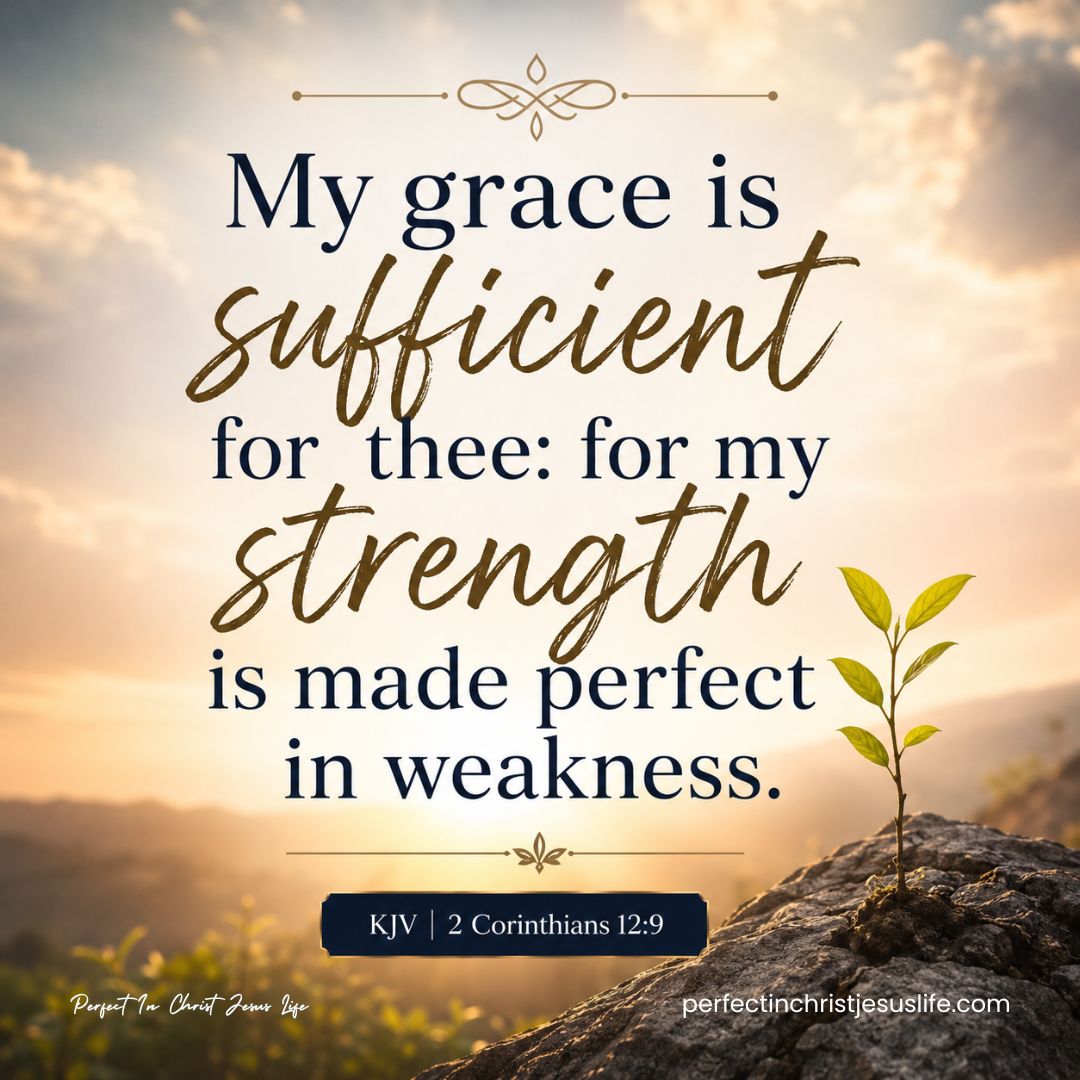
“My grace is sufficient for thee: for my strength is made perfect in weakness.”
— 2 Corinthians 12:9, KJV
Paul prayed for his difficulty to be removed, but the answer he received was not what he expected.
God’s grace was sufficient.
This teaches us that strength does not always mean the immediate removal of every weakness. Sometimes God’s strength is revealed while we are still walking through the weakness.
Our circumstances may change slowly, but God’s grace remains sufficient.
The Fifth Battlefield: Character
One of the deepest areas of spiritual battle is our character.
It is possible to have spiritual experiences and still struggle with anger, impatience, pride, bitterness, or an inability to forgive.
The message emphasizes that our character matters. God desires us to become people who reflect His nature—people who are humble, patient, peaceful, forgiving, and self-controlled.
This is why spiritual strength is not merely about how loudly we pray or how much we know.
True spiritual strength is also seen in how we respond when we are provoked.
Can we remain humble when insulted?
Can we forgive when we have been hurt?
Can we remain peaceful when others are angry?
Can we surrender our pride?
Can we continue to love when it is difficult?
These are signs of spiritual maturity.
David: A Picture of Growing Strength
David’s life gives us an encouraging example.
David experienced rejection, persecution, family troubles, disappointment, and seasons when everything seemed to collapse around him. Yet he continued to turn toward God.
At one of his lowest moments, Scripture says:
“But David encouraged himself in the LORD his God.”
— 1 Samuel 30:6, KJV
David knew where his strength came from.
His strength was not simply his personality, his position, his army, or his circumstances.
His strength was in the Lord.
That is the difference between merely surviving and growing stronger spiritually.
Grace Can Strengthen the Weak
The message ultimately points us toward God’s grace. It reminds us that the Lord desires to strengthen His people and that His grace and mercy are continually available.
We may recognize weakness in our family.
We may recognize weakness in our faith.
We may recognize weakness in our conscience.
We may recognize weakness in our body.
We may recognize weakness in our character.
But recognizing weakness is not the end of the story.
Weakness can become the place where we discover the sufficiency of God’s grace.
The source closes with an encouragement to allow the Lord, His grace, and the Holy Spirit to strengthen us.
Do Not Remain Weak
The question is not whether we have weaknesses. Every person has areas where they need God’s help.
The real question is:
Are we becoming stronger or weaker?
Is your family becoming stronger?
Is your faith becoming stronger?
Is your prayer life becoming stronger?
Is your conscience becoming cleaner?
Is your character becoming more Christlike?
Are you growing in grace?
Do not ignore the areas that are weakening.
Repair what needs to be repaired.
Forgive where forgiveness is needed.
Return to prayer.
Return to the Word of God.
Strengthen your faith.
Receive God’s grace.
And above all, strengthen yourself in the Lord.
David became stronger and stronger. His story reminds us that spiritual strength is possible even after seasons of intense struggle.
May we not become like the house of Saul, continually growing weaker. May we become like David—people who, through God’s grace, grow stronger in faith, stronger in character, stronger in our families, and stronger in the Lord.
“Be strong in the Lord, and in the power of his might.”
— Ephesians 6:10, KJV
Your weakness does not have to be your ending. In the hands of God, it can become the place where His strength is revealed.