When You Feel Stuck
Perhaps you are experiencing something similar today.
You may feel unable to move forward because of a difficult situation. At the same time, going backward does not seem to be an option. You may feel surrounded by trials, pressure, fear, or discouragement.
But do not conclude that the battle is the end of your journey.
The Israelites were on their way to the Promised Land, and Amalek stood in their way. Yet Amalek could not stop God’s purpose for His people. In the same way, the obstacles we face today do not have the authority to cancel God’s purpose for our lives.
The answer is not always to fight harder by ourselves. Sometimes the answer is to recognize that we need God and we need one another.
Unity Begins Within
The message also brings the principle of unity into our personal spiritual lives.
Our body, soul, and spirit must work together. There are times when our spirit desires to do what is right, but our body resists. When our thoughts, desires, and actions are not aligned, we experience inner conflict and frustration. The sermon describes this disconnection as a source of murmuring and struggle in life.
Prayer is one example.
We may sit down physically to pray, but our minds can be somewhere else. Our body is present, but our thoughts are distracted. True spiritual devotion requires our whole being to be brought into alignment with God. The source specifically emphasizes that when God places a desire to pray within our spirit, our body must also be willing to respond.
This is a challenge for every believer:
Do not allow your body, soul, and spirit to pull you in different directions. Bring your whole life under the Lordship of Christ.
Unity in the Family
The principle of unity does not stop with our personal spiritual life. It applies to the family.
A family cannot be built successfully when everyone is pulling in a different direction. Husbands, wives, and children each have responsibilities, and those responsibilities must work together in love and submission to God.
The sermon particularly emphasizes the husband’s responsibility to love his wife, drawing from Ephesians 5 and the example of Christ’s love for the Church. It also connects marriage with the biblical principle that husband and wife become “one flesh.”
Biblical love is not simply a feeling. It is a commitment to serve, protect, forgive, sacrifice, and remain faithful.
Love must also be expressed in the right relationships and responsibilities. The source warns that love has different expressions toward God, one’s spouse, children, and neighbors; confusing those responsibilities can create problems.
A strong family is not built by one person carrying everything alone.
Husband and wife must stand together. Parents and children must learn to walk together. And the entire family must place Christ at the center.
Unity in the Church
The same principle applies to the church.
Moses had his assignment. Aaron and Hur had theirs. Joshua and the people had theirs. They did not compete with one another; they cooperated with one another.
The church also needs this kind of unity.
Some are called to preach. Some teach. Some pray. Some encourage. Some serve quietly. Some lead. Some support those who lead. Different responsibilities do not make one person more important than another.
When everyone understands their God-given responsibility and works together, the church becomes stronger.
The sermon points out that the unity seen among Moses, Aaron, Hur, Joshua, and the people provides a picture of the responsibility believers have toward the church and one another.
The Unity Seen in Christ
The greatest example of unity is found in God Himself.
Jesus prayed in John 17 that His followers would be one. The message connects this prayer with the unity between the Father and the Son. Jesus continually glorified the Father and obeyed what the Father gave Him to do.
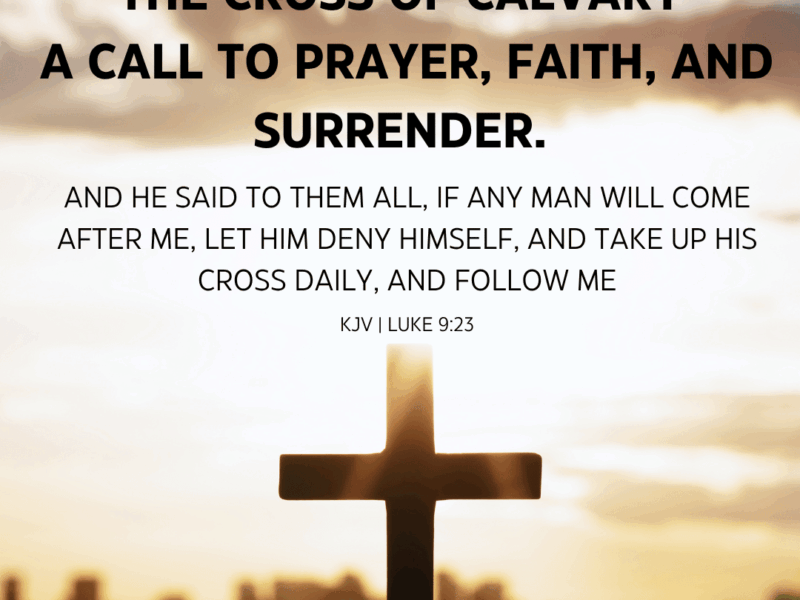
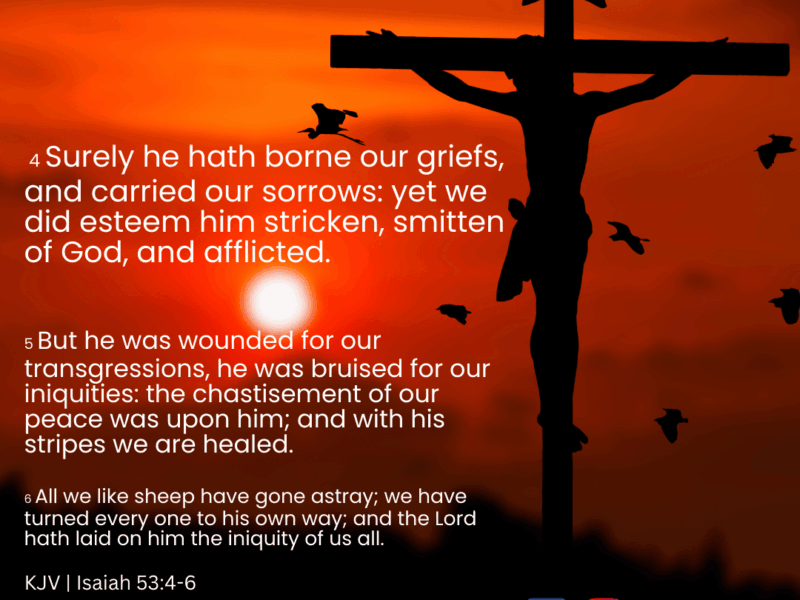
At Calvary, we see the ultimate expression of Christ’s obedience and love.
The sermon describes the cross as displaying an unseen banner of love—Christ’s sacrificial love for humanity.
The cross reminds us that true unity is not built on convenience. It is built on love, obedience, humility, sacrifice, and surrender to God.
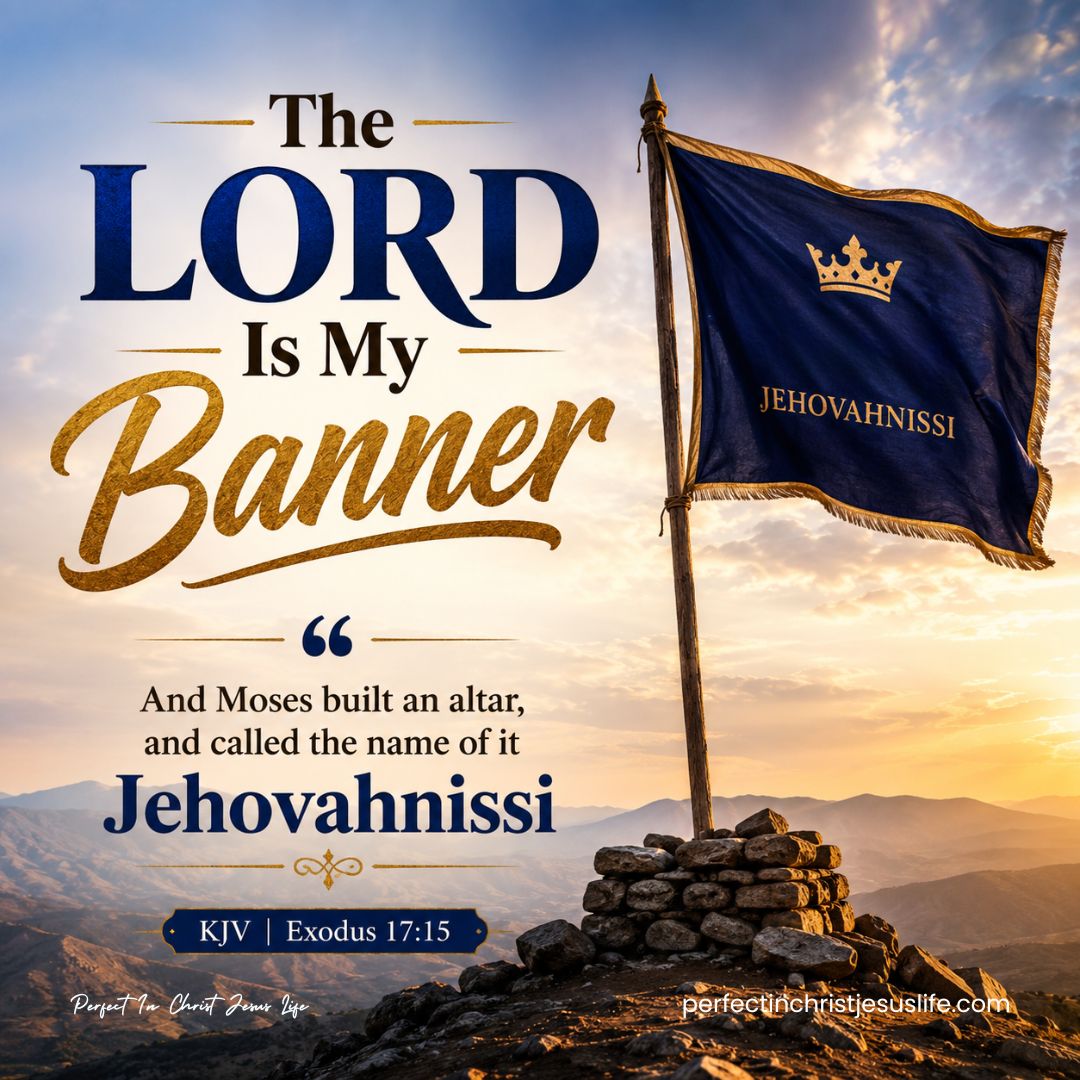
Jehovah-Nissi — The Lord Is My Banner
After Israel experienced victory, Moses built an altar and called it Jehovah-Nissi, meaning “The LORD is my banner.”
The banner was not Moses.
The banner was not Joshua.
The banner was not Aaron or Hur.
The Lord was their banner.
Their unity mattered, their obedience mattered, their cooperation mattered—but their ultimate victory came from God.
This is the message we need to carry into our own battles.
When your family is struggling, let the Lord be your banner.
When your church is facing difficulties, let the Lord be your banner.
When your spiritual life feels weak, let the Lord be your banner.
When you are surrounded by trials, let the Lord be your banner.
And when God gives you people to stand beside you, do not reject their help. Learn to stand together.
A Call to Unity
Perhaps your family needs restoration.
Perhaps there has been division in your home.
Perhaps your church needs greater unity.
Perhaps your own body, soul, and spirit are struggling to move in the same direction.
Today can be a new beginning.
Do not allow pride to keep you separated. Do not allow misunderstandings to destroy relationships. Do not allow personal differences to become greater than the purpose God has given you.
Come together.
Pray together.
Forgive one another.
Encourage one another.
Serve one another.
And above all, keep Christ at the center.
The message encourages those who are facing brokenness or conflict in their families and churches to recognize the strength that comes when God’s people unite.
Conclusion
The battle against Amalek teaches us a timeless truth:
We are stronger when we stand together, but our victory ultimately comes from the Lord.
Moses needed Aaron and Hur.
Joshua needed Moses.
The people needed Joshua.
The family needs every member.
The church needs every believer.
And every believer needs God.
So when the battle becomes difficult, do not give up. Do not retreat. Do not try to carry everything alone.
Stand together.
Lift one another up.
Keep your eyes upon the Lord.
And declare with faith:
“The LORD is my banner.”
When God is our banner, our unity has purpose, our service has meaning, and our battles can become testimonies of His faithfulness.
Jehovah-Nissi — The Lord is my banner.
Source: A paraphrase of a sermon presented by a preacher.