


The LORD is good to all: and his tender mercies are over all his works.” — Psalm 145:9, KJV
When we look at creation, we can see evidence of the goodness of God. The order, beauty, provision, and design we see around us point beyond creation itself to the Creator. God has revealed His goodness through the world He has made, and His goodness is not limited to a particular group of people.
Jesus said that God causes His sun to rise on both the evil and the good and sends rain on both the just and the unjust. God’s common goodness reaches humanity without distinction.
But there is something much deeper about the goodness of God.
God’s goodness is not merely about giving us earthly blessings, comfort, possessions, health, success, or happiness. His greatest concern is the condition of our soul.
God’s Goodness Is Meant to Lead Us to Repentance
Romans 2:4 gives us a profound truth:
“Or despisest thou the riches of his goodness and forbearance and longsuffering; not knowing that the goodness of God leadeth thee to repentance?”
God’s goodness has a purpose.
Every blessing, every opportunity, every expression of His patience, and every moment in which He draws near to us should cause us to turn our hearts toward Him.
God does not simply want to make our earthly lives comfortable. His goodness works toward something eternal. Our earthly blessings are temporary, but the salvation of our soul has eternal significance.
This is why God’s goodness should never be taken for granted.
Instead of asking only, “What can God give me?”, we should ask:
“What is God trying to do in my life through His goodness?”
His goodness calls us to repentance.
Sin Leads Away from God, but Christ Provides the Way Back
The Bible teaches that all have sinned and fallen short of the glory of God. Sin separates humanity from God and ultimately leads toward judgment.
Yet God did not leave humanity without hope.
Jesus Christ came into the world to pay the price for our sins. He suffered, shed His blood, died on the cross at Calvary, and rose again from the dead. He completed the work necessary for our salvation.
The invitation of Christ is still open:
“Come unto me, all ye that labour and are heavy laden, and I will give you rest.” — Matthew 11:28, KJV
The response God desires is repentance.
Acts 3:19 declares:
“Repent ye therefore, and be converted, that your sins may be blotted out.”
Repentance is not merely feeling sorry for our sins. It is turning away from our sinful ways and turning toward God.
God is ready to forgive.
Our God Is a God Who Forgives
One of the most beautiful truths in Scripture is that God is not only good—He is merciful and ready to forgive.
Psalm 86:5 says:
“For thou, Lord, art good, and ready to forgive; and plenteous in mercy unto all them that call upon thee.”
Human beings may sometimes struggle to forgive, even after repeated apologies. But God’s mercy is far greater. He is willing to forgive the person who genuinely turns to Him.
Isaiah 55:6–7 gives us both an invitation and a warning:
“Seek ye the LORD while he may be found, call ye upon him while he is near.”
This is the time to seek God.
We should not assume that we can continually postpone responding to Him. There is a time when God draws near and calls us to Himself. The message of the sermon emphasizes that we are living in a time of grace and should respond while that opportunity is before us.
Seek the Lord With Your Whole Heart
God does not want a divided heart.
Jeremiah 29:13 says:
“And ye shall seek me, and find me, when ye shall search for me with all your heart.”
There is a difference between knowing about God and genuinely seeking God.
We may pray, attend church, read the Bible, and participate in Christian gatherings, yet still need to ask ourselves:
Am I truly seeking God with my whole heart?
God promises that those who genuinely seek Him will find Him.
A heart that longs for God is a heart God can fill.
Psalm 107:9 says:
“For he satisfieth the longing soul, and filleth the hungry soul with goodness.”
Our spiritual hunger matters.
Spiritual Hunger Opens Our Hearts to God’s Goodness
God has given humanity the freedom to choose. He does not force us to love Him or seek Him.
Therefore, our desire for God is important.
Jesus said:
“Blessed are they which do hunger and thirst after righteousness: for they shall be filled.” — Matthew 5:6, KJV
The more we hunger and thirst after righteousness, the more we experience the spiritual satisfaction that comes from God.
God does not force spiritual blessing upon us. He invites us to seek Him.
The question is not whether God is willing to give.
The question is whether our hearts are willing to receive.
Faith Is Essential
We cannot properly experience God’s goodness without faith.
Hebrews 11:6 says:
“But without faith it is impossible to please him: for he that cometh to God must believe that he is, and that he is a rewarder of them that diligently seek him.”
Faith believes that God exists.
But biblical faith goes further.
Faith believes that God rewards those who sincerely seek Him.
Sometimes circumstances may make us question God’s goodness. Difficulties can cloud our understanding. Doubt can cause spiritual blindness.
But faith enables us to continue believing that God is good even when we cannot yet see what He is doing.
David expressed this confidence in Psalm 27:13:
“I had fainted, unless I had believed to see the goodness of the LORD in the land of the living.”
We need that kind of faith.
God Gives Special Attention to the Humble and Brokenhearted
The goodness of God is especially precious to those who recognize their spiritual need.
The Bible repeatedly speaks about the poor, the humble, the brokenhearted, and those who cry out to God.
Psalm 34:6 says:
“This poor man cried, and the LORD heard him, and saved him out of all his troubles.”
Being spiritually poor does not mean being financially poor. It speaks of recognizing our dependence upon God.
The proud person says, “I can manage my life without God.”
The humble heart says, “Lord, I need You.”
God responds to that humble heart.
Psalm 51:17 declares:
“The sacrifices of God are a broken spirit: a broken and a contrite heart, O God, thou wilt not despise.”
God is not looking for outward appearance alone. He looks at the heart.
God Dwells With the Contrite and Humble
Isaiah 57:15 gives us a remarkable picture of God’s heart:
“I dwell with him that is of a contrite and humble spirit, to revive the spirit of the humble.”
The high and holy God is willing to draw near to the broken and humble heart.
That means your brokenness does not make you worthless to God.
Your weakness does not make you forgotten.
Your need does not push God away.
When you come to Him with humility, repentance, and faith, you discover His mercy.
The Greatest Blessings Are Spiritual
Earthly blessings are temporary.
Money can disappear.
Possessions can be lost.
Health can change.
Human relationships can change.
But the salvation of the soul and spiritual life in Christ have eternal value.
God’s purpose is not simply to make us comfortable on earth. His desire is to save our souls, develop our spiritual lives, bring us into maturity, and ultimately bring us into His presence.
The sermon emphasizes this distinction between earthly blessings and the higher spiritual blessings God desires for His people.
Psalm 21:3 speaks of God coming before His servant with blessings:
“For thou preventest him with the blessings of goodness: thou settest a crown of pure gold upon his head.”
These blessings should not be understood merely in material terms. There are blessings that strengthen the soul, develop spiritual life, and draw us closer to God.
The Fear of the Lord Brings Us Into His Goodness
Psalm 31:19 says:
“Oh how great is thy goodness, which thou hast laid up for them that fear thee.”
The fear of God is not merely terror.
It is reverence.
It is recognizing who God is and responding to Him with humility, obedience, and respect.
The more we understand God’s holiness, the more seriously we take His Word.
The more seriously we take His Word, the more carefully we live.
And the more we walk with Him, the more we experience the richness of His goodness.
Do Not Miss the Goodness of God
God’s goodness surrounds us.
We see it in creation.
We experience it through His provision.
We see it in His patience.
We experience it through His mercy.
We hear it in the Gospel.
We encounter it at the cross of Jesus Christ.
And we experience it when He forgives, restores, strengthens, and transforms our lives.
But God’s goodness demands a response.
Do not simply enjoy His blessings while ignoring the One who gives them.
Do not receive His patience without turning to Him.
Do not hear the Gospel without responding.
Do not postpone repentance.
Seek the Lord while He may be found.
Turn from sin.
Return to God.
Believe in Jesus Christ.
Seek Him with your whole heart.
Humble yourself before Him.
Hunger and thirst after righteousness.
Walk in the fear of the Lord.
And allow His goodness to accomplish its greatest work—not merely in your earthly life, but in your soul.
A Final Reflection
The greatest expression of God’s goodness is not what He gives us in this temporary world.
It is what He has done for our eternal salvation through Jesus Christ.
At Calvary, Christ paid the price for our sins.
He shed His blood.
He died.
He rose again.
And He lives today.
The door of grace is open.
The invitation is still being given.
Will you respond to the goodness of God?
Perhaps God has been speaking to your heart through circumstances, through His Word, through a message, or through the quiet conviction of the Holy Spirit.
Do not harden your heart.
Turn to Him.
His goodness is calling you.
His mercy is available.
His forgiveness is ready.
And His greatest desire is that your soul should be saved and your life should be transformed for His glory.
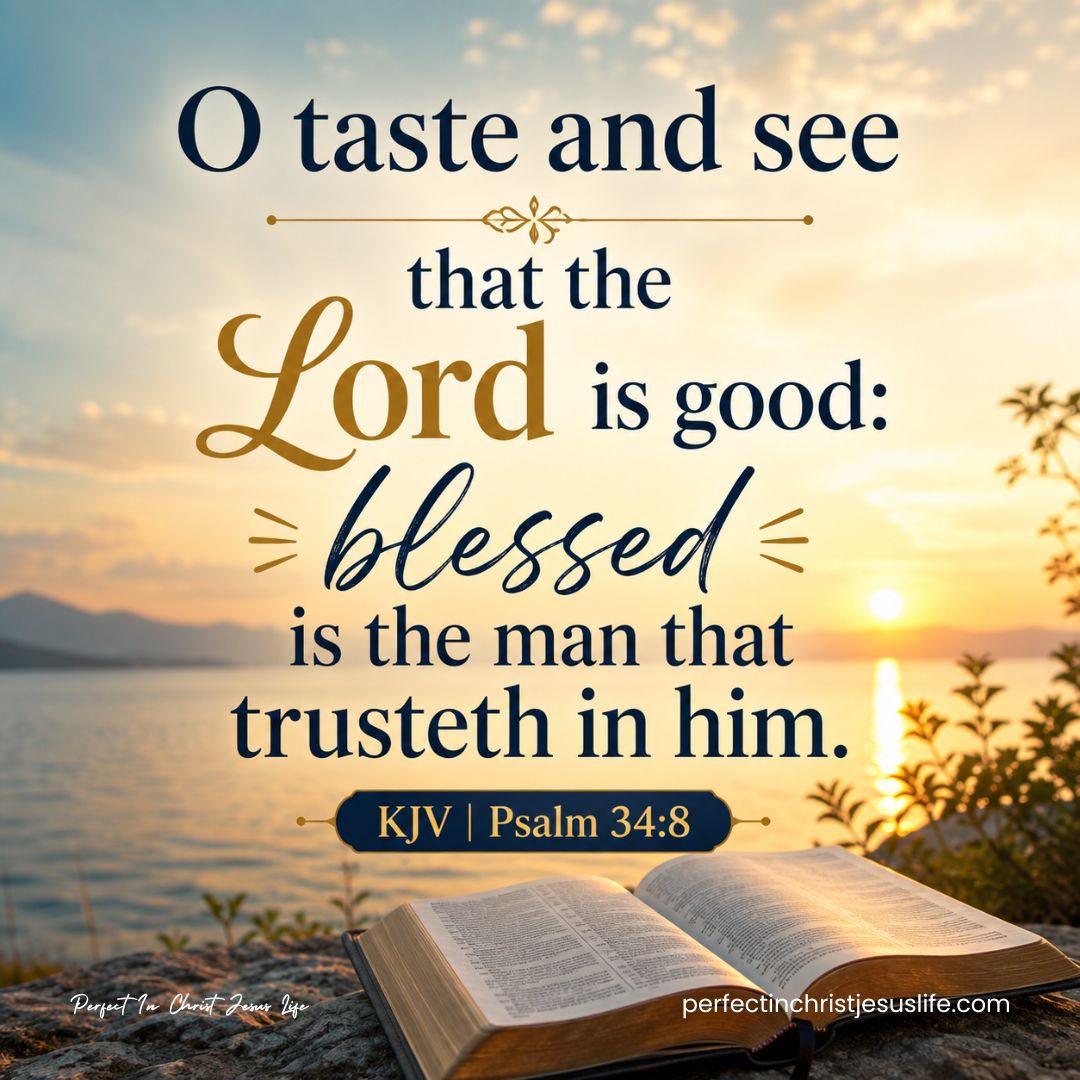
“O taste and see that the LORD is good: blessed is the man that trusteth in him.” — Psalm 34:8, KJV
God’s goodness is not merely something to receive—it is an invitation to return to Him, trust Him, and walk with Him.
Source: A paraphrase of a sermon presented by a preacher.
Categories
- Christianity Today (70)
- Experience Jesus (33)
- Faith Life (33)
- Loving God (57)
- Resources (7)
CATEGORIES
- Christianity Today (70)
- Experience Jesus (33)
- Faith Life (33)
- Loving God (57)
- Resources (7)