
Allow God to Direct Your Life
The Christian life is a journey of learning to surrender ourselves completely to God. As believers, we must understand that our words, thoughts, actions, desires, and decisions should be guided by the Holy Spirit.
God does not want us merely to live a religious life. He desires to transform our hearts and shape our character so that our lives reflect the nature of Jesus Christ.
In Song of Solomon 1:9, we read:
“I have compared thee, O my love, to a company of horses in Pharaoh’s chariots.” — Song of Solomon 1:9 (KJV)
This verse uses the imagery of horses belonging to Pharaoh’s chariots to describe the beauty and majesty of the beloved. In the context of the book, it is part of the poetic dialogue between the beloved and her lover.
This picture also provides an opportunity to reflect on an important spiritual principle: our lives become fruitful when we allow God to guide and direct us.
A horse may possess great strength and speed, but it needs direction. Similarly, we may possess intelligence, talents, knowledge, and abilities, but we need the wisdom and guidance of God to use them according to His will.
Let us consider four important lessons from this picture.
Key Scriptures: Song of Solomon 1:9; James 3:2–3; 2 Corinthians 10:4–5; Matthew 6:22; Acts 20:24
1. Self-Control and Discipline: Learning to Govern Our Words
One of the most important characteristics of a mature Christian is self-control.
A person may be knowledgeable in the Scriptures, gifted in ministry, or powerful in public speaking. However, if that person cannot control their tongue, their spiritual maturity will be incomplete.
James 3:2 says:
“For in many things we offend all. If any man offend not in word, the same is a perfect man, and able also to bridle the whole body.” — James 3:2 (KJV)
The word bridle gives us a powerful picture. A bridle helps a rider direct a horse. In the same way, our tongues must be brought under control.
Our words can encourage people, restore relationships, and communicate the love of Christ. On the other hand, careless words can create misunderstandings, cause deep wounds, and damage relationships.
Therefore, we must learn to speak with wisdom.
How can we control our tongues?
First, think before speaking.
Not every thought needs to become a spoken word. Before responding in anger, pause and consider whether your words will bring peace or create more problems.
Second, allow the Holy Spirit to guide your speech.
Galatians 5:22–23 teaches that the fruit of the Spirit includes gentleness and self-control. As we walk with the Holy Spirit, He helps us develop a character that reflects Christ.
Third, practise discipline in everyday life.
Self-control is not limited to our words. It also includes our habits, reactions, desires, and decisions.
A mature believer learns to say no to what displeases God and yes to what honours Him.
Spiritual lesson: Before God uses our words to influence others, He desires to transform the heart from which those words come.
2. Focus and Spiritual Vision: Keeping Our Eyes on God
A second important lesson is the need for spiritual focus.
In the Christian journey, distractions are everywhere. Worries, worldly desires, personal ambitions, disappointments, and the opinions of others can draw our attention away from God.
Jesus said:
“The light of the body is the eye: if therefore thine eye be single, thy whole body shall be full of light.” — Matthew 6:22 (KJV)
The principle of a single eye points to undivided vision and spiritual clarity. In the surrounding passage, Jesus teaches about our relationship with material possessions and our need to serve God rather than money.
When our hearts are divided between serving God and pursuing competing priorities, our spiritual direction becomes unclear.
The importance of spiritual focus
Consider a horse being guided by a rider. If the horse continually turns in different directions, it cannot move efficiently towards its destination.
Likewise, believers must learn to keep their spiritual attention fixed on the Lord.
Hebrews 12:2 encourages us to look unto Jesus, the author and finisher of our faith.
We cannot faithfully follow Christ while deliberately allowing every distraction to control our lives.
This does not mean that we should ignore our responsibilities. Rather, it means that our responsibilities must be fulfilled in a way that honours God.
We can work diligently, care for our families, serve our communities, and pursue our goals while keeping Christ at the centre of our lives.
Three ways to develop spiritual focus
- Spend time in God’s Word. Scripture renews our minds and helps us distinguish truth from error.
- Maintain a consistent prayer life. Prayer helps us bring our concerns, decisions, and desires before God.
- Examine your priorities. Ask yourself whether your daily activities are drawing you closer to Christ or gradually weakening your spiritual life.
Remember, spiritual growth requires intentionality.
Spiritual lesson: When our eyes are fixed on Jesus, we become better equipped to recognise distractions and remain faithful to God’s calling.
3. Spiritual Strength Under God’s Direction
A horse can possess tremendous strength, but strength without direction can become dangerous.
In the same way, human strength, intelligence, determination, and ambition must be directed by God’s wisdom.
The apostle Paul reminds us:
“For the weapons of our warfare are not carnal, but mighty through God to the pulling down of strong holds.” — 2 Corinthians 10:4 (KJV)
Paul continues in verse 5 by speaking about casting down arguments and bringing every thought into captivity to the obedience of Christ.
These verses remind us that the Christian life involves spiritual discipline. We must learn to recognise thoughts and attitudes that oppose the truth of God and bring them under the authority of Christ.
Bringing our thoughts under Christ’s authority
Sometimes our greatest struggles begin in our minds.
Fear may tell us that we will never overcome a difficulty. Pride may convince us that we do not need correction. Anger may encourage us to retaliate. Discouragement may tempt us to abandon the responsibilities God has placed before us.
However, we do not have to allow every thought to determine our actions.
We can examine our thoughts in the light of Scripture and choose responses that reflect faith, humility, patience, and obedience.
For example:
- When anger arises, we can choose patience instead of revenge.
- When fear appears, we can remember God’s promises and seek His wisdom.
- When pride rises, we can humble ourselves and receive correction.
- When temptation comes, we can seek God’s help and take practical steps away from it.
Spiritual strength is not simply the ability to endure difficulties. It also involves the willingness to surrender our attitudes and actions to Christ.
Spiritual lesson: God does not merely want to strengthen us; He wants to direct our strength towards purposes that honour Him.
4. Surrendering to Divine Control: Letting God Lead Our Lives
The deepest lesson is the importance of complete surrender to God.
Many people want God’s blessings but struggle to surrender their own plans. We may ask Him to open doors while refusing to let Him change our direction. We may pray for guidance but continue following our own desires.
Yet genuine Christian discipleship requires us to trust God with every area of our lives.
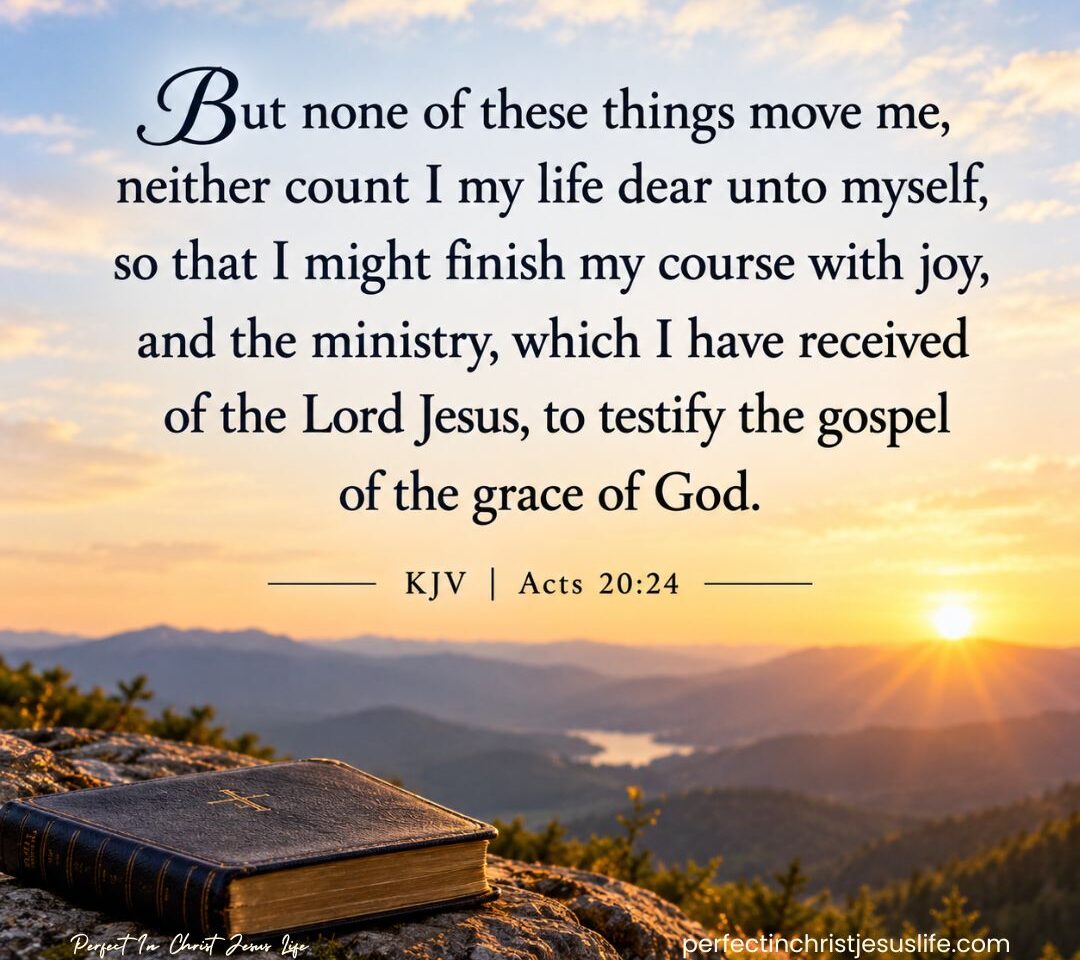
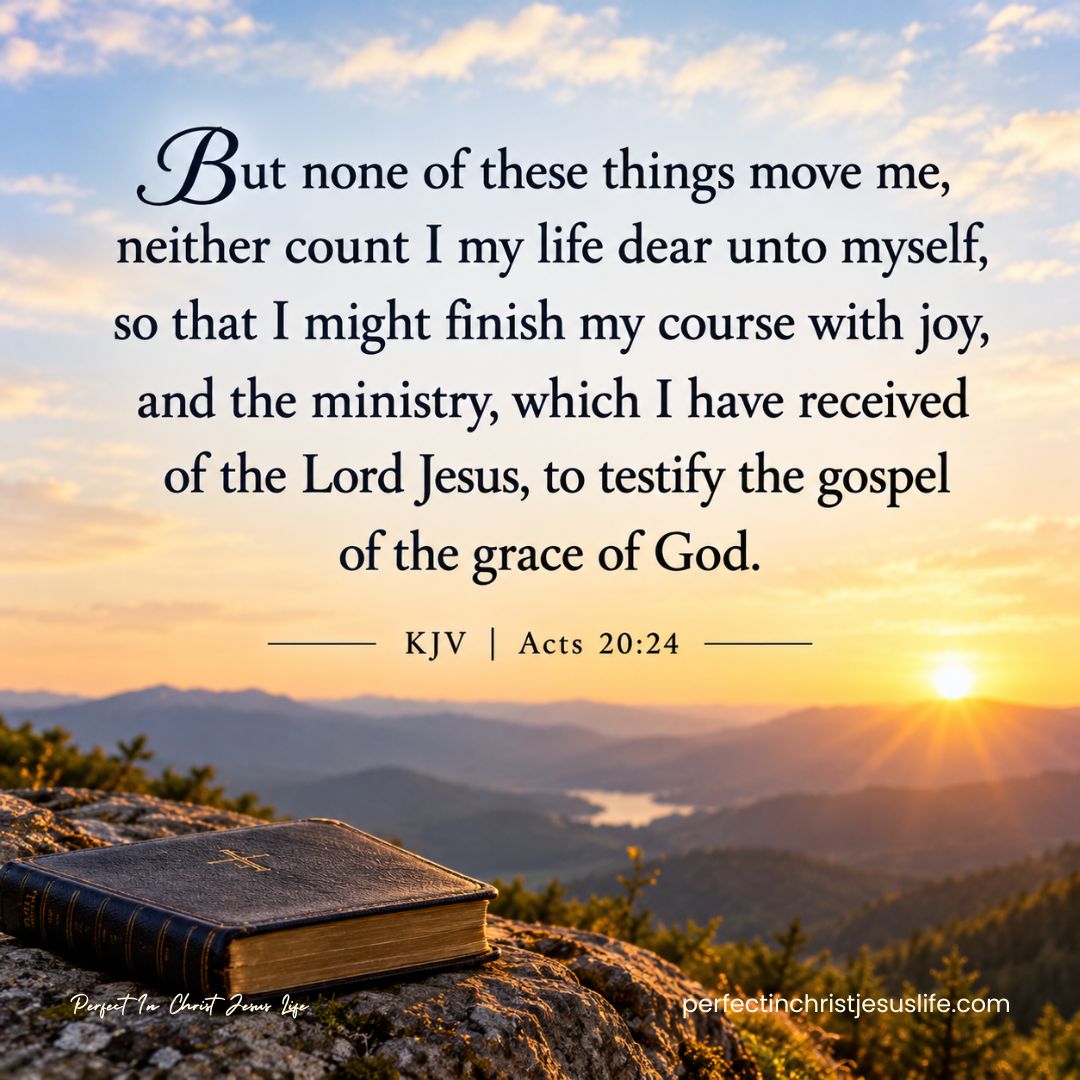
In Acts 20:24, Paul declares:
“Neither count I my life dear unto myself, so that I might finish my course with joy, and the ministry, which I have received of the Lord Jesus, to testify the gospel of the grace of God.” — Acts 20:24 (KJV)
Paul understood that his life belonged to God and that his calling was greater than personal comfort.
He was willing to face hardship because he wanted to complete the ministry entrusted to him by the Lord Jesus.
This is an important example for every Christian.
What does surrender mean?
Surrender does not mean that we become passive or stop making responsible decisions. Rather, it means that we submit our desires, choices, and plans to God’s authority.
It means praying, “Lord, let Your will be done in my life.”
It means allowing Scripture to correct our thinking.
It means accepting God’s wisdom even when it challenges our preferences.
It means remaining faithful when obedience requires patience, sacrifice, or perseverance.
Jesus demonstrated this attitude in the Garden of Gethsemane when He prayed:
“Nevertheless not my will, but thine, be done.” — Luke 22:42 (KJV)
These words reveal the heart of true surrender.
Jesus submitted Himself to the Father’s will, even though the path before Him involved suffering.
As followers of Christ, we are called to develop the same attitude of trust and obedience.
Allow God to direct every area of your life
Consider these questions:
- Are my words submitted to God?
- Are my thoughts being renewed by His Word?
- Are my ambitions consistent with His principles?
- Am I willing to forgive those who have hurt me?
- Do I seek God’s guidance before making important decisions?
- Am I prepared to obey Him when His direction differs from my personal desires?
These questions help us examine whether we are truly allowing God to lead us.
Spiritual lesson: A surrendered life is not a wasted life. It is a life placed in the hands of the One who knows us completely and calls us to walk in His truth.
5. The Danger of Living Without Spiritual Discipline
When a powerful horse is not properly directed, its strength may become difficult to manage.
Similarly, when believers neglect spiritual discipline, their emotions, desires, and habits may begin to govern their decisions.
A person who cannot control anger may damage relationships. Someone who continually follows every desire may fall into destructive habits. A believer who neglects prayer and Scripture may gradually lose spiritual clarity.
This is why discipline matters.
However, Christian discipline should not be confused with trying to earn God’s love through our own efforts.
We are saved by God’s grace through faith in Jesus Christ, not by our ability to achieve perfection through self-discipline.
Ephesians 2:8–10 teaches both that salvation is God’s gift and that we are created in Christ Jesus for good works.
Our discipline is therefore a response to God’s grace. Through the Holy Spirit, we learn to live in ways that please Him.
Practical steps towards a disciplined Christian life
Begin each day with God. Set aside time for prayer and Scripture before becoming absorbed in the day’s activities.
Guard your words. Refuse to participate in gossip, unnecessary arguments, and speech intended to hurt others.
Train your thoughts. Reflect on what is true, honest, just, pure, and worthy of praise, as encouraged in Philippians 4:8.
Practise obedience in small things. Faithfulness in everyday responsibilities helps shape a life of integrity.
Depend on the Holy Spirit. Ask God for strength when you feel weak, tempted, discouraged, or distracted.
Remain accountable. Seek encouragement, wisdom, and correction from mature Christians who desire to see you grow in Christ.
Remember that spiritual maturity develops over time. When you stumble, confess your sin, receive God’s forgiveness, and continue walking with Him.
The goal is not to appear perfect before others but to become increasingly conformed to the character of Jesus Christ.
Conclusion: Become a Vessel Directed by God
The imagery in Song of Solomon 1:9 invites us to consider beauty, strength, and majesty. As we reflect on the Christian life, we can also use the image of a horse and chariot to consider the importance of discipline, focus, and direction.
A horse may have great strength, but strength must be directed towards a destination.
Likewise, our abilities are most fruitful when we place them at God’s disposal.
Our tongues must be disciplined. Our eyes must remain focused on the Lord. Our thoughts must be brought under the authority of Christ. Our lives must be surrendered to God’s will.
James 3 teaches us the importance of controlling our speech. Matthew 6:22 reminds us of the importance of spiritual vision. Second Corinthians 10:4–5 calls us to bring our thoughts into obedience to Christ. Acts 20:24 shows us the example of a servant who valued God’s calling above personal comfort.
Together, these Scriptures remind us that Christian maturity involves more than knowing God’s Word. It involves allowing His truth to shape the way we live.
The greatest question is not simply how much strength, knowledge, or ability we possess, but whether we are willing to place everything we have under the lordship of Jesus Christ.
Let us therefore pray for hearts that are humble, minds that are renewed, tongues that are disciplined, and lives that are fully devoted to the Lord.
May our daily walk demonstrate that we belong to Jesus and desire to follow Him faithfully.
A Prayer for Self-Control and Complete Surrender
Heavenly Father,
Thank You for Your love, mercy, and grace. Thank You for calling me to walk with You and for giving me the Holy Spirit to guide me in Your truth.
Lord, teach me to control my words, thoughts, emotions, and actions. Help me to speak with wisdom, respond with patience, and live with humility.
Renew my mind through Your Word. Remove distractions that draw my heart away from You. Give me spiritual vision so that I may recognise Your truth and remain faithful to Your calling.
Father, I surrender my plans, ambitions, desires, and decisions into Your hands. Teach me to trust You even when I do not understand the path ahead.
May my life bring glory to Your name. Give me the grace to obey You, the courage to stand for truth, and the strength to finish the course You have set before me.
Let the character of Jesus Christ be seen in my words and actions. May I never depend only on my own strength, but continually seek Your wisdom and guidance.
Lord Jesus, take the lead in my life. Let Your will be done in me and through me.
In the precious name of Jesus Christ, I pray.
Amen.
Source: A paraphrase of a sermon presented by a preacher.
Categories
- Christianity Today (85)
- Experience Jesus (40)
- Faith Life (37)
- Loving God (69)
- Resources (9)
CATEGORIES
- Christianity Today (85)
- Experience Jesus (40)
- Faith Life (37)
- Loving God (69)
- Resources (9)