

The Love Revealed at Calvary
The cross of Calvary is the greatest demonstration of God’s love for humanity. When we meditate on the suffering and sacrifice of our Lord Jesus Christ, we begin to understand the depth of His love and the purpose of His death.
Jesus did not suffer merely to deliver us from sin or to rescue us from the power of the devil. He gave His life to cleanse us, transform us, and prepare us to become a holy people, presented to Him without spot or wrinkle.
The cross also reminds us that the Christian journey involves suffering, trials, and tribulations. Through faith in Christ, we can face these difficulties with hope, allowing God to work in our hearts and shape our lives according to His will.
Let us reflect on seven important lessons from the suffering of Jesus Christ and the spiritual journey to which He calls us.

1. The Suffering of Jesus Christ: A Demonstration of His Love
The suffering of Jesus Christ reveals the immeasurable love of God for humanity.
Matthew 27 describes the terrible events leading to the crucifixion of Jesus. He was mocked, beaten, crowned with thorns, and ultimately nailed to the cross. Though He was innocent, He willingly endured suffering for the sake of sinners.
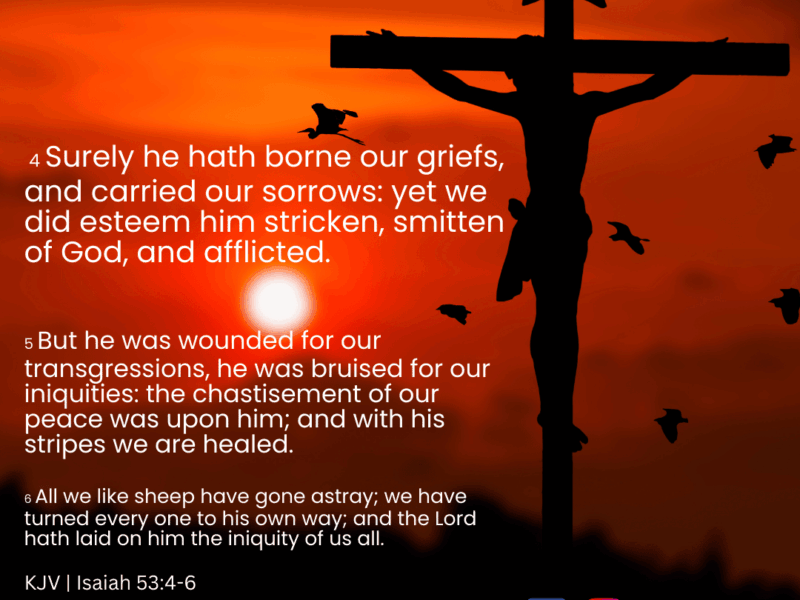
The prophet Isaiah foretold the suffering of the Messiah:
“But he was wounded for our transgressions, he was bruised for our iniquities.” — Isaiah 53:5 (KJV)
Jesus endured humiliation, pain, and rejection. He could have avoided suffering, yet He submitted Himself to the Father’s will because of His love for us.
When we look at the cross, we see more than an instrument of execution. We see the price of our redemption and the seriousness of sin. We also see the mercy of God, who provided a way for us to be reconciled to Him.
The suffering of Jesus calls us to examine our own hearts. Are we living in gratitude for the sacrifice He made? Are we turning away from sin and seeking to walk in holiness?
The cross should never become merely a familiar symbol to us. It should continually remind us of the love that rescued us and the new life to which Christ has called us.
2. The Purpose of the Sacrifice: To Cleanse and Transform Us
Why did Jesus suffer and die on the cross?
The Bible teaches that His sacrifice provides forgiveness of sins and opens the way for us to be reconciled to God.
First John 1:7 declares:
“And the blood of Jesus Christ his Son cleanseth us from all sin.” — 1 John 1:7 (KJV)
The blood of Jesus represents the life He willingly gave for us. His death was not an ordinary death; it was the sacrifice through which God provided redemption for humanity.
The sermon emphasizes that Christ’s sacrifice has a purpose beyond our initial experience of salvation. God desires to transform our character, cleanse our hearts, and lead us into a life of holiness.
Ephesians 5:25–27 describes Christ’s love for the Church and His purpose to sanctify and cleanse her, presenting her to Himself as a glorious Church.
This passage presents a beautiful picture of the relationship between Christ and His people. The Church is compared to a bride being prepared for her bridegroom.
As believers, we are called to respond to Christ’s sacrifice through repentance, obedience, faith, and a desire to become more like Him.
We must not treat the grace of God as permission to continue in sin. Instead, we should allow His grace to transform our thoughts, words, actions, and attitudes.
Jesus did not merely call us out of darkness; He called us into a life that reflects His holiness.
3. The Crown of Thorns: Remembering the Humiliation of Christ
One of the most moving scenes in the account of Jesus’ suffering is the placing of the crown of thorns upon His head.
Matthew 27:29–30 records how the soldiers mocked Jesus, placed a crown of thorns on His head, gave Him a reed, and struck Him.
The crown of thorns was intended to humiliate Him. The soldiers treated Him as though He were a false king, unaware that the One they mocked was the true King.
The thorns remind us of the cruelty Jesus endured and the depth of His humiliation.
Consider the contrast: the King of glory accepted shame, the Creator submitted to the violence of His creatures, and the One who deserved all honour was mocked and rejected.
Philippians 2:8 reminds us that Jesus humbled Himself and became obedient unto death, even the death of the cross.
His humility challenges our pride. His patience challenges our anger. His obedience challenges our unwillingness to surrender to God’s will.
When we face rejection, misunderstanding, or humiliation, we can remember that our Lord also endured suffering. His example teaches us to respond with faith, humility, and trust in God.
However, remembering Christ’s suffering does not mean that we must seek pain or accept mistreatment as though it were always God’s will. Rather, we are called to remain faithful to Christ through life’s difficulties and to follow His example of love and obedience.
The crown of thorns reminds us that Jesus willingly endured shame so that we might receive the hope of salvation.
4. Beyond Salvation: God’s Desire for a Holy People
The sermon draws our attention to an important spiritual truth: God desires more than a superficial change in our lives.
Jesus preached the Gospel, healed the sick, and delivered people from oppression during His earthly ministry. Yet He also willingly went to the cross to accomplish the work of redemption.
Through His death and resurrection, Christ provides forgiveness and new life. He calls His followers to continue growing in holiness and to reflect His character.
Hebrews 12:14 teaches:
“Follow peace with all men, and holiness, without which no man shall see the Lord.” — Hebrews 12:14 (KJV)
Holiness is not simply an outward appearance or a religious routine. It involves belonging to God and allowing Him to shape our entire lives.
A holy life should be reflected in our conduct, relationships, decisions, and attitudes. It means turning away from sin, practising forgiveness, loving others, pursuing righteousness, and seeking to obey God’s Word.
The sermon uses the picture of the bride of Christ to describe this process of spiritual preparation.
Revelation 19:7 speaks of the marriage of the Lamb and the preparation of His bride. This imagery reminds believers to live in readiness for the Lord and to remain faithful to Him.
Our goal should not be merely to appear religious before others. We should sincerely desire a heart that pleases God.
Through the Holy Spirit, the Lord works in us to produce spiritual fruit and develop Christlike character.
True spiritual growth is not simply about knowing more about Jesus; it is about becoming more like Him.
5. Perfection Through Suffering: Trusting God’s Work in Us
Hebrews 2:10 presents a powerful truth about the suffering of Christ:
“To make the captain of their salvation perfect through sufferings.” — Hebrews 2:10 (KJV)
This verse speaks of Jesus Christ, the pioneer of our salvation, who accomplished His saving mission through suffering.
It does not mean that Jesus was sinful or morally imperfect. Rather, He fulfilled His mission through the suffering He willingly endured.
The sermon connects this passage with the spiritual growth of believers. Just as Christ endured suffering in fulfilling His mission, Christians may experience trials through which their faith is tested and strengthened.
James 1:2–4 encourages believers to recognize that the testing of their faith produces patience and that patience can have its full effect in their lives.
Difficult experiences can expose weaknesses in our character. They may reveal impatience, pride, fear, bitterness, or a tendency to depend on our own strength rather than God.
When we bring these struggles to the Lord, He can use them to teach us perseverance, humility, compassion, and deeper dependence on Him.
Yet we must understand this truth carefully: suffering does not automatically make a person spiritually mature. Some people become bitter through hardship, while others grow in faith as they seek God’s help.
Our response matters.
We should ask the Lord to help us learn through our trials, remain faithful in difficult circumstances, and become more like Christ.
God can use our trials to deepen our faith, strengthen our character, and teach us to depend more fully on Him.
6. Embracing Tribulations: Remaining Faithful in Difficult Times
The Christian life does not promise freedom from every difficulty. Scripture repeatedly reminds us that believers may face persecution, hardship, and tribulation.
Second Timothy 3:12 declares:
“Yea, and all that will live godly in Christ Jesus shall suffer persecution.” — 2 Timothy 3:12 (KJV)
Likewise, Acts 14:22 records the encouragement given to early believers:
“That we must through much tribulation enter into the kingdom of God.” — Acts 14:22 (KJV)
These passages remind us that following Christ may require courage and perseverance.
Sometimes our difficulties arise because we remain faithful to biblical convictions in a world that does not share them. At other times, we face illness, disappointment, family struggles, financial hardship, or circumstances beyond our control.
Not every hardship is persecution, and not every painful experience should be interpreted as a direct test from God. Nevertheless, whatever difficulties we encounter, we can bring them before Him in prayer and seek His wisdom.
When tribulation comes, we should not immediately conclude that God has abandoned us.
Instead, we can remember His promises, seek encouragement from Scripture, receive support from fellow believers, and continue walking in faith.
Romans 5:3–4 teaches that tribulation can produce patience, experience, and hope.
This does not mean we must hide our pain or pretend that suffering is easy. Biblical faith allows us to grieve, ask difficult questions, seek help, and still trust in God’s goodness.
When we suffer, we can follow the example of Jesus, who entrusted Himself to the Father.
Trials may shake our circumstances, but they do not have to destroy our faith. With God’s help, we can remain steadfast and continue in His grace.
7. Meditating on the Cross: Drawing Nearer to Jesus
One of the central applications of the sermon is the importance of meditating on the cross of Calvary.
The preacher encourages believers to set aside time before going to bed to reflect on the suffering and sacrifice of Jesus.
This practice can help us move beyond simply knowing the story of the crucifixion and begin considering what Christ’s sacrifice means for our daily lives.
Psalm 77:12 says:
“I will meditate also of all thy work, and talk of thy doings.” — Psalm 77:12 (KJV)
Meditation on Scripture is not merely an emotional exercise. It is a deliberate practice of reflecting on God’s Word, remembering His works, and allowing biblical truth to shape our hearts.
When we meditate on the cross, we can reflect on several questions:
- What does the sacrifice of Jesus teach me about God’s love?
- Is there any sin in my life that I need to confess and turn away from?
- Have I become proud, impatient, or unwilling to forgive others?
- How can I demonstrate Christ’s love in my relationships?
- Am I trusting God in the difficulties I face?
- What changes do I need to make to live more faithfully according to His Word?
These questions can turn meditation into a practical spiritual discipline.
We do not need to force ourselves to experience a particular emotion. Sometimes we may weep as we consider Christ’s suffering; at other times, we may experience quiet gratitude, conviction, peace, or renewed determination.
What matters is that we approach God sincerely and allow His Word to guide us.
The sermon suggests spending at least ten minutes each night meditating on Calvary. This can be a meaningful starting point for anyone who wishes to develop a consistent devotional life.
We can read a passage about the crucifixion, reflect on its meaning, confess our sins, give thanks for Christ’s sacrifice, and pray for strength to live a holy life.
As we continually remember the cross, we are reminded of the grace that saves us and the love that calls us to walk with Christ.
A Practical Guide: Ten Minutes of Meditation on Calvary
If you would like to put these lessons into practice, consider following this simple routine before going to bed.
Minute 1–2: Read God’s Word
Read a short passage about the suffering, death, or love of Jesus.
Suggested readings:
- Isaiah 53:3–6
- Matthew 27:27–50
- Luke 23:32–49
- John 19:16–30
- Philippians 2:5–11
Read slowly and consider what the passage reveals about Jesus.
Minute 3–4: Reflect on His Sacrifice
Think about Christ’s willingness to suffer for humanity.
Remember that His sacrifice reveals both the seriousness of sin and the greatness of God’s love.
Thank Him for the grace and forgiveness made available through His death and resurrection.
Minute 5–6: Examine Your Heart
Ask the Holy Spirit to reveal areas of your life that need to change.
Consider your thoughts, words, behaviour, and relationships.
Confess your sins honestly and seek God’s help to walk in obedience.
Minute 7–8: Pray Through Your Difficulties
Bring your burdens before the Lord.
Pray for strength to endure trials, wisdom to make good decisions, and grace to respond to difficulties in a Christlike manner.
Remember that you do not need to carry every burden alone.
Minute 9–10: Commit Yourself to God
Ask the Lord to help you live according to His will.
Pray for a pure heart, a forgiving spirit, and a life that reflects His love.
End your time by thanking Him for His faithfulness and entrusting the coming day to His care.
This simple routine is not a formula for earning God’s favour. It is an opportunity to draw nearer to Him and grow in faith through prayer and reflection on Scripture.
Conclusion: Let the Cross Transform Your Life
The suffering of Jesus Christ is central to the Christian faith. At Calvary, we see His love, His humility, His obedience, and His willingness to give His life for our redemption.
His sacrifice calls us to repentance, faith, holiness, and a life of devotion to God.
The cross also reminds us that difficulties are part of our earthly journey. Although suffering can be painful and confusing, we can trust God to sustain us and help us grow through the challenges we face.
We should not seek suffering for its own sake, nor assume that every hardship is a sign of spiritual failure. Instead, we should remain faithful to Christ, support one another, and trust His grace in every circumstance.
Let us make time to meditate on the Word of God, remember the sacrifice of Jesus, examine our hearts, and seek the Holy Spirit’s help to live according to God’s will.
May the message of Calvary deepen our gratitude, strengthen our faith, and inspire us to pursue holiness with sincere hearts.
Above all, may our lives reflect the love of the One who gave Himself for us.
“Looking unto Jesus the author and finisher of our faith; who for the joy that was set before him endured the cross, despising the shame.” — Hebrews 12:2 (KJV)
Prayer
Heavenly Father, thank You for the precious sacrifice of Your Son, Jesus Christ. Help us never to take His suffering and death for granted. Cleanse our hearts, strengthen our faith, and teach us to walk in holiness and obedience. When we face tribulations, give us courage to trust You and grace to remain faithful. Help us to meditate on the cross with grateful hearts and to reflect the character of Jesus in our daily lives. May Your Holy Spirit guide us, transform us, and help us grow in love, humility, and righteousness. In the precious name of Jesus Christ, we pray. Amen.
Source: A paraphrase of a sermon presented by a preacher.
Categories
- Christianity Today (85)
- Experience Jesus (40)
- Faith Life (37)
- Loving God (70)
- Resources (10)
CATEGORIES
- Christianity Today (85)
- Experience Jesus (40)
- Faith Life (37)
- Loving God (70)
- Resources (10)