The Blood of the Lamb Brings Deliverance
One of the clearest pictures is found in the Passover.
In Exodus 12, God instructed the Israelites to place the blood of a lamb on their doorposts. The blood became a sign of protection as judgment passed through Egypt. The Passover lamb points us forward to Jesus Christ, the Lamb of God.
The sermon emphasizes that the blood of Christ brings freedom from the power of sin and from every evil power that seeks to oppress God’s people.
Jesus did not come merely to make our lives slightly better. He came to set captives free.
Whatever your past may look like, the grace of God is greater. Whatever bondage you may have experienced, Christ is able to bring freedom. Our hope is not in our own strength but in what Jesus has accomplished.
Christ, Our Source of Healing
The Old Testament also gives us a powerful picture of God’s healing.
In Exodus 15, the Israelites came to a place where the water was bitter and could not be consumed. God instructed Moses to put a piece of wood into the water, and the bitter water became sweet.
The sermon presents this tree as a picture pointing toward Christ and His saving work.
Jesus is greater than any earthly remedy. He is the One to whom we can bring our brokenness, pain, and deepest needs.
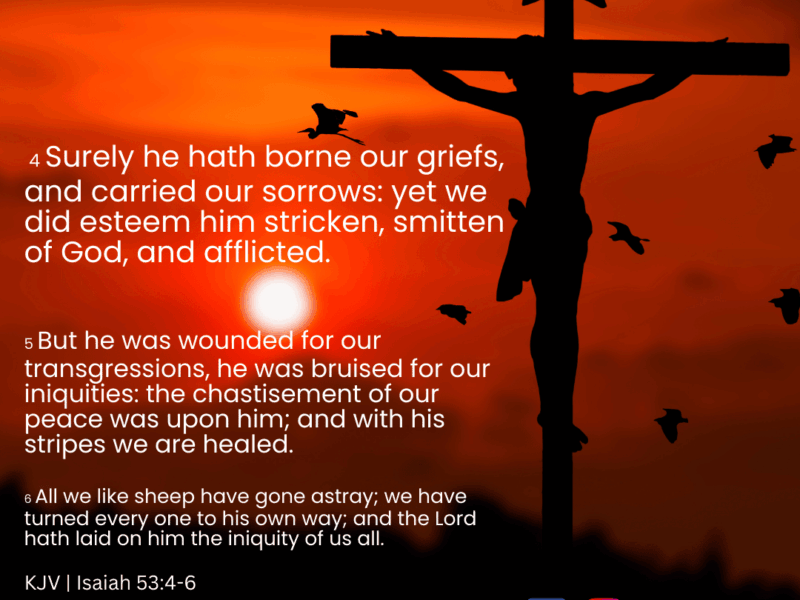
Scripture declares that by His wounds we have been healed. The suffering of Christ was not meaningless. His sacrifice reveals the depth of God’s love and His desire to restore us.
This does not mean that every believer will experience immediate physical healing in the way or timing we expect. But it does mean that Christ is our hope in suffering, our healer, and the One who ultimately brings complete restoration.
Look to Christ
Another striking picture appears in Numbers 21.
When the Israelites were bitten by serpents, God instructed Moses to make a bronze serpent and lift it up. Those who looked toward it lived.
Jesus later used this event to point to Himself:
“As Moses lifted up the serpent in the wilderness, even so must the Son of man be lifted up.”
The cross is where God’s justice and mercy meet.
Christ was lifted up on the cross, bearing the consequences of sin so that those who believe in Him may receive life.
When we look away from ourselves and look to Christ, we find grace.
Our confidence is not in our goodness, our achievements, or our religious efforts. Our confidence is in Jesus.
Receive God’s Mercy
If we desire God’s healing and restoration, we must also learn to seek His mercy.
The sermon points to the example of the blind man who cried out to Jesus for mercy. He had no other way of solving his problem, so he called upon the Lord.
Sometimes we must come to God with the same humility.
We do not approach Him because we have earned His kindness. We approach Him because He is merciful.
The Bible repeatedly reveals the compassionate heart of God. Jesus Himself was moved with compassion toward suffering people and ministered to them.
God’s mercy is not a reward for our perfection. It is an expression of His grace.
Remove the Hindrances
There can also be obstacles in our spiritual lives that need to be addressed.
The sermon identifies several possible hindrances, including sin and unbelief.
Sin can become a barrier in our relationship with God. When Jesus forgave the man who was brought to Him, He demonstrated that spiritual restoration was deeply connected with the person’s need.
Unbelief can also keep us from trusting God fully.
One father cried out to Jesus:
“I believe; help thou mine unbelief.”
That is a prayer many of us can honestly make.
Perhaps our faith feels weak. Perhaps we have experienced disappointment. Perhaps circumstances have caused us to question what God is doing.
We can still come to Jesus and say, “Lord, I believe. Help my unbelief.”
God can strengthen our faith.
Faith Must Lead to Obedience
Faith is not merely agreeing that God exists. Genuine faith responds to God’s Word.
Throughout the Gospels and the Old Testament, we see people receiving God’s intervention as they responded to His instruction.
Naaman, for example, was instructed to wash himself in the Jordan. His healing involved obedience to a command that initially seemed too simple for him. But when he obeyed, he experienced cleansing.
The sermon uses this example to emphasize that we should be willing to obey the voice of God.
Sometimes God may ask us to do something simple.
Sometimes He may ask us to forgive.
Sometimes He may ask us to turn away from sin.
Sometimes He may ask us to take a step of faith.
The question is not whether the instruction seems impressive. The question is whether we are willing to obey God.
Healing Should Lead to Holiness
An important truth in the message is that God’s work in our lives has a purpose.
Jesus did not simply restore people physically and then leave them unchanged. His work called people into a new way of living.
When Jesus healed, forgave, and restored people, He also called them to follow Him.
God’s blessing should never become an excuse to continue in sin. His grace should lead us toward holiness.
If God has rescued us, we should desire to live differently.
If He has forgiven us, we should learn to forgive others.
If He has shown us mercy, we should show mercy.
If He has given us new life, we should surrender that life to Him.
Forgiveness Brings Freedom
One of the final themes in the sermon is forgiveness.
Jesus taught His followers to forgive others. Unforgiveness can become a heavy burden within the heart, affecting our peace and our relationship with God.
Forgiving someone does not mean pretending that the wrong never happened. It means releasing our desire for personal revenge and entrusting justice to God.
Sometimes forgiveness is a decision we must make before our emotions catch up.
We can pray:
“Lord, I choose to forgive. Help me release this pain and bitterness into Your hands.”
The same Christ who forgives us teaches us to become people who forgive.
Christ Is Our Complete Hope
The message of the Gospel brings these truths together.
The blood of Jesus speaks of redemption.
The cross speaks of sacrifice.
The resurrection speaks of victory and new life.
God’s mercy speaks of His compassion.
Faith enables us to trust Him.
Obedience teaches us to walk in His ways.
And holiness calls us to live according to His purpose.
We do not come to Christ merely seeking one blessing. We come to Him because He is Lord.
He is our Savior.
He is our hope.
He is our healer.
He is our deliverer.
He is the One who forgives our sins and transforms our lives.
A Prayer
Lord Jesus,
Thank You for Your sacrifice and for the grace You have given us through Your blood.
Help us to walk in the freedom You have provided. Deliver us from the power of sin and strengthen us when we are weak.
Teach us to trust Your mercy. Increase our faith and help us overcome unbelief.
Give us grace to obey Your Word, to forgive others, and to turn away from everything that separates us from You.
Bring healing and restoration according to Your will, and help us live holy lives that honor Your name.
May our lives reflect the transforming power of Your grace.
In Jesus’ name, Amen.
Source: A paraphrase of a sermon presented by a preacher.