Learning From Enoch
One of the most powerful examples of continual fellowship with God is found in the life of Enoch.
Genesis 5 tells us that Enoch lived for sixty-five years before something significant happened—his son Methuselah was born. Scripture does not explain exactly what changed, but from that point onward Enoch’s life took a remarkable direction.
The Bible repeatedly says:
“Enoch walked with God.”
This was not a temporary spiritual experience. It was not a relationship that turned on during worship and off afterward. It was not a cycle of spiritual highs and lows. Enoch consistently walked with God day after day, year after year, until the day God took him to heaven.
Many Christians struggle with an unstable spiritual life. They feel close to God after a conference, retreat, revival meeting, or special service, but after a few days the passion begins to fade.
Enoch’s example shows us that God desires consistency, not merely occasional enthusiasm. He desires a relationship that continues through every season of life.
Praying Without Ceasing
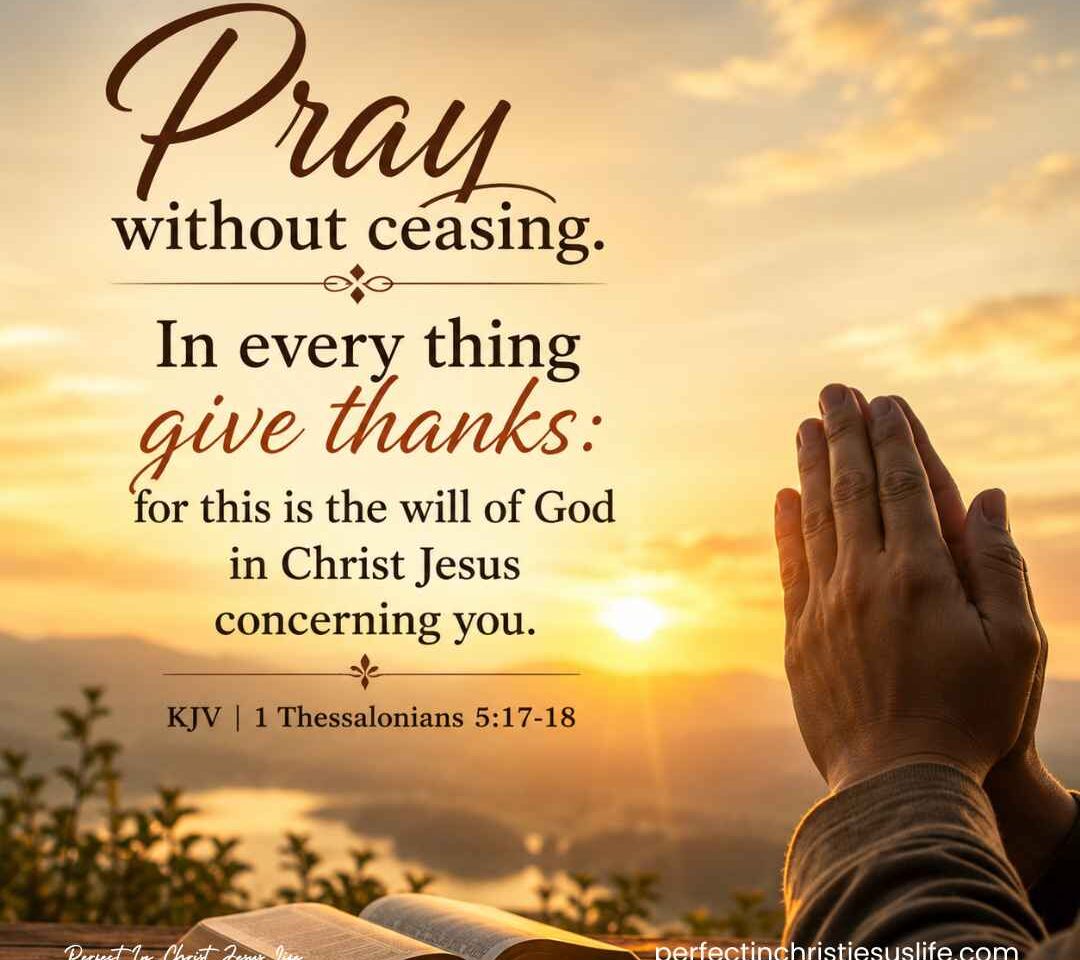
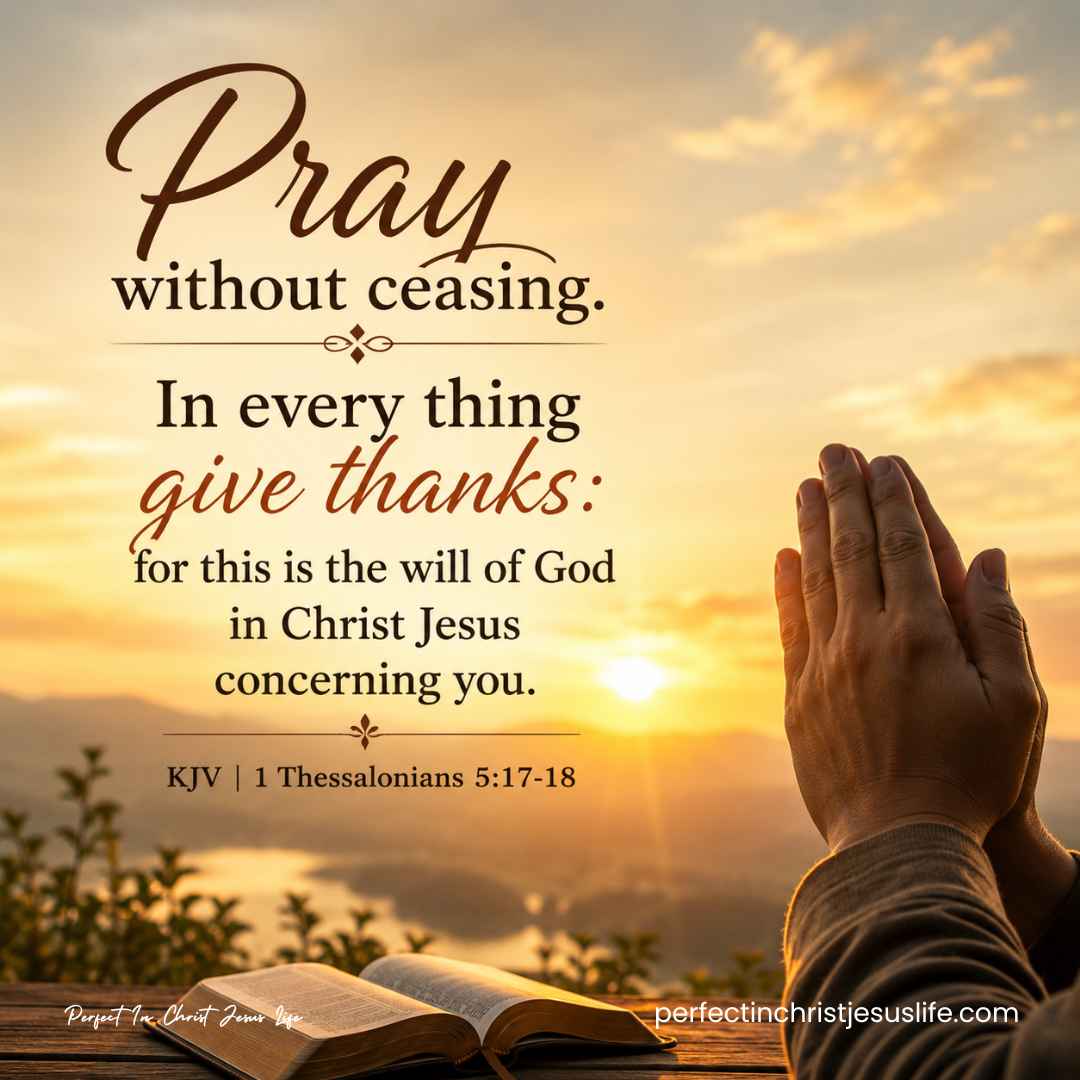
The Bible instructs People of God to “pray without ceasing.”
This does not mean spending every moment on our knees. Rather, it means maintaining an ongoing awareness of God’s presence and a continual fellowship with Him.
We may be studying, working, traveling, speaking with others, or carrying out daily responsibilities, yet our hearts can remain connected to the Lord.
Prayer becomes more than a scheduled event; it becomes a lifestyle.
When we say “Amen” at the end of a prayer, our relationship with God should not end there. The conversation continues throughout the day as we depend upon Him, seek His wisdom, and remain sensitive to His leading.
Meditating on God’s Word
Along with prayer, God’s Word must become part of our daily lives.
Reading the Bible is important, but Scripture should not remain on the pages after we close the book. God’s Word is meant to shape our thinking, strengthen our faith, guide our decisions, and transform our hearts.
Psalm 1 describes the blessed person as one who meditates on God’s law day and night.
Meditation is more than reading. It involves reflecting on Scripture, carrying its truths in our hearts, and allowing them to influence every area of life.
Even after closing our Bibles, God’s Word should remain alive within us throughout the day.
The Power of Spiritual Discipline
Maintaining a healthy relationship with God requires discipline.
One of the greatest challenges People of God face is waiting until they “feel” like praying. Sometimes we have the desire but no time. At other times we have the time but no desire.
If we depend entirely on our feelings, our prayer life will remain inconsistent.
Spiritual growth requires intentional commitment.
One practical challenge from the sermon was the need to set aside a specific time each day for prayer. Whether it is thirty minutes or an hour, the important thing is to protect that time and dedicate it to the Lord.
The preacher shared how, during his younger years, he consistently spent a set hour every evening in prayer. At first, discipline may feel difficult. Over time, however, it becomes a source of strength, joy, and spiritual growth.
What begins as discipline often becomes delight.
Choosing a Time to Meet With God
Some may pray early in the morning before the day begins. Others may find a quiet time during the afternoon or evening. The exact hour matters less than the commitment.
When that time arrives:
- Put aside distractions.
- Silence your phone.
- Step away from unnecessary conversations.
- Focus your attention on God.
There will always be reasons to postpone prayer, neglect Bible reading, or fill our free moments with other activities. Yet every person must make a personal decision to place God first.
A daily appointment with the Lord strengthens our walk with Him, protects us from spiritual drift, keeps our hearts sensitive to His voice, and helps us remain spiritually alert.
A Call to Commitment
The Christian life is not merely about attending church, participating in meetings, or having occasional spiritual experiences. It is about cultivating a daily walk with Jesus Christ.
Church services are important, but they are not the destination. They are meant to strengthen us for a life of continual fellowship with Christ.
Therefore, make a definite decision to:
- Read the Bible daily.
- Meditate on God’s Word throughout the day.
- Pray without ceasing.
- Set aside a regular time for personal prayer.
- Walk with God as Enoch walked with God.
A healthy spiritual life does not happen by accident. It grows through consistent fellowship with Jesus.
The goal is not simply to encounter Christ within the walls of a church but to walk with Him wherever we go.
May God give us grace to cultivate a faithful, disciplined, and enduring relationship with Him—one that continues long after we leave the church doors and remains strong throughout every day of our lives.