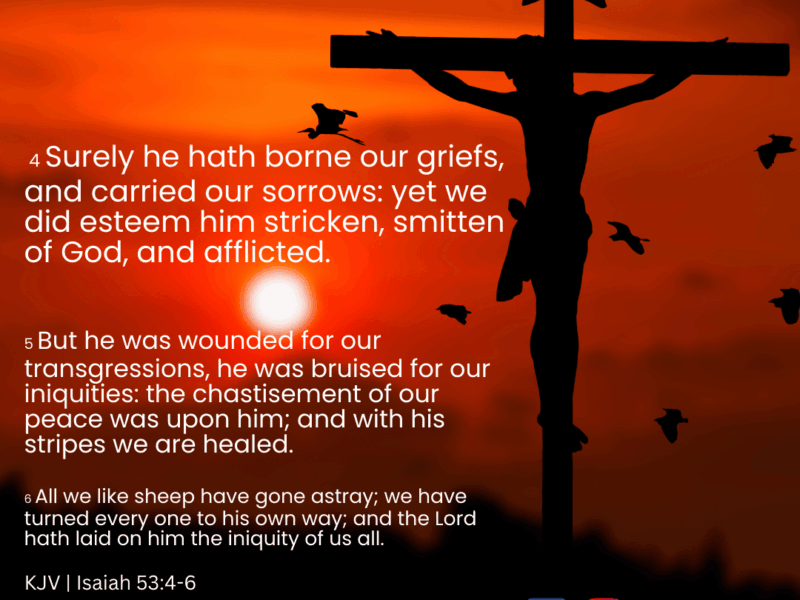
Job: A Trial of Faith
The example of Job reminds us that suffering is not always punishment.
Job lost his possessions, health, and peace in a short time. Yet his trial was not caused by failure or lack of faith. It became a test of endurance and trust.
Even when everything around him collapsed, God still trusted Job’s faithfulness.
This teaches an important truth:
- Faith is proven during hardship.
- Worship becomes powerful during pain.
- Hope must remain even when answers delay.
Worship During Trials
One of the strongest importance of worship during suffering.
Those who worship deeply often experience fierce battles. Yet worship also becomes the source of victory.
The example of Paul the Apostle and Silas in prison demonstrates this beautifully. Though beaten and chained, they chose praise instead of despair.
As they worshiped, God moved powerfully.
Worship is not merely music or emotion. It is surrender, faith, and communion with God even in difficult seasons.
The people of God Should :
- Continue praying
- Continue praising
- Refuse spiritual discouragement
- Stay connected to God daily
The fire may surround, but worship keeps the heart alive.
Conflict Often Follows Anointing
Throughout Scripture:
- David faced persecution after being anointed king.
- Jeremiah suffered because he spoke God’s word faithfully.
- Joseph endured betrayal and imprisonment because of his dreams and destiny.
- Paul experienced severe persecution because of his apostolic calling.
The anointing carries responsibility.
Some are called to:
- leadership
- prophecy
- evangelism
- priestly ministry
- intercession
- worship
Different callings bring different kinds of battles.
People of God should not immediately assume God has abandoned them during conflict. Sometimes opposition comes precisely because God is preparing them for greater purpose.
Jeremiah: The Cost of Speaking Truth
The life of Jeremiah reveals the suffering that can come from obedience.
Jeremiah was rejected, mocked, and even thrown into a dungeon because he faithfully proclaimed God’s message.
His suffering was not caused by rebellion but by obedience.
The challenges people of God not to abandon their calling out of fear, comfort, or discouragement. Spiritual gifts and prophetic calling require courage, faithfulness, and perseverance.
Joseph: Conflict Before the Throne
The story of Joseph illustrates how God can use suffering to prepare someone for destiny.
Joseph faced:
- betrayal
- rejection
- slavery
- false accusation
- imprisonment
Yet every painful season became preparation for leadership.
The highlights an important principle:
Sufferings, pains, reproach, and shame can become the pathway to the throne.
God’s promises may take time, but His plans are never forgotten.
Holiness Also Brings Resistance
The standing for holiness often creates conflict.
Joseph resisted temptation and suffered because of it. Yet his obedience preserved his relationship with God.
People of God who choose righteousness may face rejection, misunderstanding, or hardship.
Still, God honors faithfulness.
The Purpose of Trials
People of God may experience trials because of:
- Faith in God
- Worship and prayer
- Spiritual anointing
- Prophetic calling
- God-given dreams and visions
- Ministry responsibility
- Commitment to holiness
Trials do not define God’s rejection. Often, they reveal God’s refining work.
Final Encouragement
People of God are reminded:
- Do not stop praying.
- Do not stop worshiping.
- Do not abandon your calling.
- Do not give up during conflict.
God was with:
- Job in suffering
- Paul in prison
- Jeremiah in the dungeon
- Joseph in the pit and prison
And God remains faithful today.
The fire may test faith, but it cannot destroy those whom God sustains.
“No one can separate me from the love of Christ.”